Chengde Travel Guide & Tours
Chengde is tucked in northern Hebei. It’s not just a place to visit, Qing Dynasty stories come alive here, among green mountains. And local traditions still live on in narrow lanes and village squares. We focus on organizing trips that dig into this unique charm. We take travelers off the usual paths to discover all sorts of things: ancient imperial gardens, sacred temples, hidden mountain villages, and beautiful natural sights that change with the seasons.

Imperial Chengde
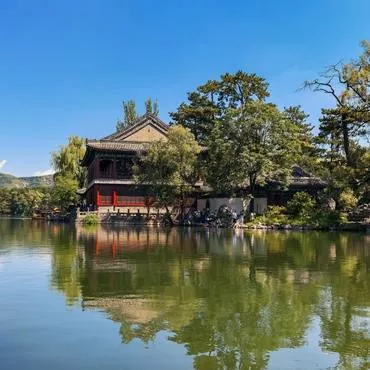
Chengde is famous because of its imperial past, and Chengde Mountain Resort is the heart of that history. It took 89 years to build during the Qing Dynasty. It wasn’t just a summer getaway for emperors, it was like a second capital. They came here to escape Beijing’s heat and handle important state business. The resort covers 5.64 million square meters. It combines the grand look of imperial palaces with natural beauty: lakes reflect pavilions, valleys wind through pine forests, and traditional Chinese buildings fit perfectly into the landscape.

When we organize visits here, we focus on spots that tell lively stories. For example, the Main Palace, where emperors lived and held ceremonies. And the Lakes Area, which was copied from southern China’s water towns. These places let travelers not just see the resort, but also feel what life was like for the imperial family. You can also appreciate how smart the architects were, mixing man-made buildings with nature.
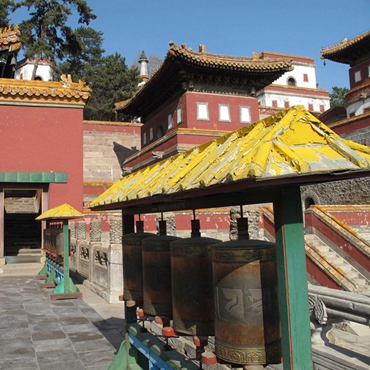
There are eight outer temples around the Mountain Resort. They were built to strengthen ties with ethnic minority groups. Our favorite is Puning Temple. It has a 22.2-meter-tall wooden Guanyin statue, one of the largest in China. What makes these temples special is their mix of Tibetan, Mongolian, and Han architectural styles. They’re a real reminder of Chengde’s role as a place where different cultures and politics met during the Qing Dynasty. When we take travelers here, we don’t just point at the buildings. We share stories about how these temples helped bring different regions together. That makes history feel real, not just a list of boring facts.
Natural Landscapes
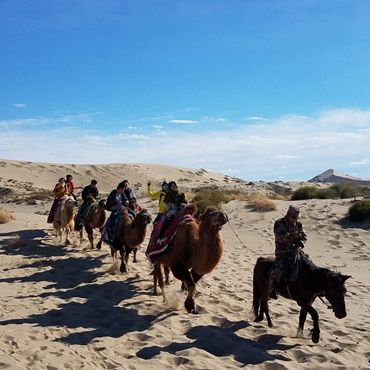
Besides the imperial sites, Chengde’s natural beauty is what keeps us coming back. It’s perfect for travelers who love the outdoors. Putuo Zongcheng Temple is known locally as the “Little Potala Palace.” It sits on a hillside, and the view from the top is amazing. You can see the whole city below, with mountains around it. For people who love adventure, we organize hikes in Chengde Bashang Grassland. There, you can ride horses across the open fields, camp under a sky full of stars, and even spend time with Mongolian families to experience their nomadic life. We’ve visited the grassland in every season, and it’s always great. In summer, wildflowers grow everywhere. In autumn, the grass turns golden. It’s the perfect break from busy city life.

Another natural spot we always recommend is the Lakes Area inside the Mountain Resort. Taking a boat ride on the calm water is one of the most relaxing things to do here. You glide past willow trees, and ancient pavilions reflect in the water like mirrors. Even in the middle of summer, the air here is cool. So it’s a great place to slow down. We also like to take travelers to Shuangta Mountain Scenic Area. There are two ancient pagodas sitting on a cliff—we still wonder how they were built! And we go to Chengde Cave of Ten Thousand Buddhas. It’s a quiet, sacred place with hundreds of Buddha statues carved into the rock walls.

Cultural Experiences
To really get to know Chengde, you have to get involved in its local culture. That’s something we love organizing for travelers. We connect visitors with local craftsmen who are good at traditional skills, like Chengde paper-cutting and jade carving. These skills have been passed down in families for generations. It’s fascinating to watch the craftsmen work. Many even let travelers try making something small to take home. And of course, you can’t leave Chengde without trying the food. Its dishes mix imperial tastes with local recipes, this comes from its time as a summer capital.
Our top recommendations? Jian Wantuo. It’s a 200-year-old snack made from buckwheat flour and pig blood. It’s pan-fried until crispy, then mixed with sesame paste, garlic sauce, mature vinegar, and chili oil. It’s salty, spicy, and smooth, and it was once a favorite of Qianlong’s concubines. We also recommend Yimojiazi Buckwheat Noodles (another dish with royal roots) and Bashang Grassland Mutton Hot Pot. The local mutton is so tender, it barely has any strong smell. For street food fans, we walk through Erxianju and Xidajie. These are old streets where vendors sell pine needle buns, sticky rice cakes, and rock sugar hawthorns. It’s a great way to taste the city’s energy.

We also arrange trips to local villages. There, travelers can hang out with Chengde’s residents, learn about their daily lives, and even join in traditional festivals if the timing is right. These moments are what make a trip memorable. Like talking to a farmer about their crops, watching a grandmother make dumplings, or listening to stories about the village’s history. It’s a chance to connect with the real Chengde, not just the tourist spots. You’ll take home memories that are more than just photos.
Travel Tips
From our experience, the best time to visit Chengde is May to October. Spring (May-June) brings blooming flowers and mild weather. It’s perfect for walking around the imperial gardens. Autumn (September-October) is even better. The sky is clear and blue, and the trees turn red and gold. A quick tip: wear comfortable walking shoes. You’ll do a lot of exploring, especially in the Mountain Resort. Even in summer, bring a light jacket. Evenings near the lakes and mountains get cool. Getting to Chengde is easy too. It’s about 230 kilometers from Beijing. A drive on the Beijing-Chengde Expressway takes 2 hours, great for self-driving.
If you prefer public transport, there are direct trains and buses to Beijing, Tianjin, Shijiazhuang, and Shenyang. Trains from Beijing take less than 4 hours. Once you’re in the city, public buses (routes 5, 6, 15 are the most useful) cover all the main scenic spots. Tickets are only 1 yuan. Taxis are cheap too, starting at 5 yuan, and most trips to scenic spots cost less than 10 yuan. Our team can help plan all your transportation, so you don’t have to worry about getting around.
Are you a history fan who wants to learn more about Qing Dynasty stories? A nature lover looking for mountain views and grassland sunsets? Or someone who wants to connect with local culture? We can organize a trip that fits you. Our team knows Chengde really well. We have the tips, the connections, and the experience to make sure your trip is smooth, memorable, and true to the city’s spirit.