Dali Travel Guide & Tours

Welcome to Dali. Located between the majestic Cangshan Mountain and the serene Erhai Lake, Dali is a living cultural treasure where ancient Bai traditions meet a vibrant creative community. As the former capital of the Nanzhao and Dali kingdoms, this highland destination offers a unique blend of historical depth, ethnic heritage, and natural beauty—all embraced by a mild climate and laid-back atmosphere that continues to inspire artists and travelers alike.
As Dali travel specialists at CET (China Expedition Tours), we draw on deep local connections to reveal both the iconic and the intimate—from sunrise at the Three Pagodas to private Bai tie-dye workshops in Xizhou. We craft tours that go beyond the guidebook, offering curated access, meaningful cultural encounters, and scenic routes that let you experience Dali not just as a visitor, but as an insider. Let us design your perfect Yunnan escape.
What makes Dali extraordinary:

- Bai minority culture: One of China's 56 ethnic groups maintaining distinctive architecture, festivals, tie-dye traditions
- Ancient kingdom legacy: Nanzhao and Dali Kingdoms created sophisticated civilization centuries before Chinese absorption
- Stunning natural setting: Cangshan's 19 peaks (up to 4,100m) rising dramatically behind Erhai Lake's turquoise waters
- Three Pagodas: Iconic 1,100+ year-old Buddhist monuments symbolizing Yunnan's religious heritage
- Perfect highland climate: Spring-like weather year-round at comfortable elevation
- Creative community: Artists and expats attracted to beauty and lifestyle creating vibrant cafes and galleries
- Cycling paradise: Flat lakeside roads perfect for bicycle exploration
- Sustainable tourism: Recent Erhai Lake ecological protection demonstrating environmental commitment
Recent high-speed rail connections have improved accessibility while ecological protection measures ensure Dali's natural beauty remains preserved for future generations.
Dali in Brief: Essential Travel Facts:

Quick Overview:
- Location: Western Yunnan, eastern Tibetan Plateau edge
- Altitude: 1,900-2,000 meters (generally well-tolerated)
- Best time: March-May and September-November; year-round destination
- Climate: Subtropical highland—mild winters, warm summers, distinct rainy season
- Time needed: 3-4 days minimum; 4-5 days for comprehensive exploration
- Languages: Mandarin, Bai language, increasing English in tourist areas
- Population: 600,000 (prefecture), primarily Bai minority
Getting there:
- High-speed rail: Kunming (2 hours), Lijiang (2 hours)—most convenient option
- Flight: Dali Airport with limited domestic connections
- Bus: Connections to Lijiang, Shangri-La, other Yunnan destinations
Cultural significance:
- Nanzhao Kingdom (738-902): Independent state rivaling Tang Dynasty
- Kingdom of Dali (937-1253): Buddhist kingdom until Mongol conquest
- Bai heritage: Culturally intact minority with 2 million population
CET advantage: Our local Bai guides provide cultural insights and language assistance accessing authentic village experiences, while established relationships secure optimal accommodation and activity timing.
Top Dali Attractions: CET's Curated Selection
Dali Ancient Town

Preserved Bai kingdom capital—grid of marble-paved streets lined with traditional architecture, historic gates, and modern amenities creating living museum rather than artificial reconstruction.
Town highlights:
- Foreigner Street evolved backpacker hub with cafes, restaurants, bars, shops
- Restored city gates providing architectural landmarks
- Traditional Bai architecture: white-washed walls, painted eaves, carved details
- Creative cafes and galleries established by artistic community
- Historic churches reflecting 19th-century missionary activity
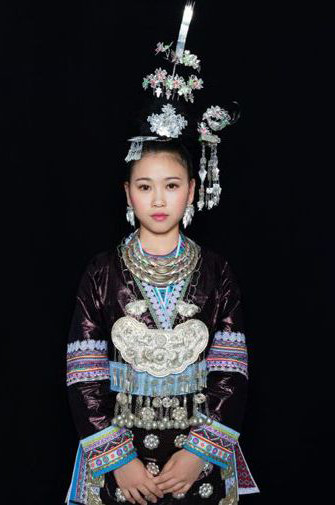
Our local guides love taking visitors to early morning markets where Bai women in traditional dress sell fresh produce and local crafts—experiencing authentic daily life before tourist activities begin.
Accommodation note: Ancient Town offers convenient atmospheric lodging but bar noise can disturb light sleepers. We recommend properties balancing location with tranquility.
Three Pagodas & Chongsheng Temple

Dali's most iconic image—three elegant Buddhist pagodas (main built 824-859 AD) arranged triangularly with Cangshan backdrop, often reflected in positioned pools.
Complex features:
- Qianxun Pagoda: 69-meter main pagoda displaying Tang Dynasty design
- Two smaller pagodas: 42 meters forming triangular arrangement
- Reconstructed Chongsheng Temple with traditional Buddhist architecture
- Reflection ponds for photography
- Exhibition halls explaining construction and history
Engineering marvel: Pagodas survived 1,100+ years of major earthquakes through sophisticated techniques.
We time visits for optimal photography—morning when sun illuminates eastern faces, or late afternoon for dramatic western light.
Logistics: 1.5km north of Ancient Town (walking, cycling, or taxi). Allow 2-3 hours.
Erhai Lake: Highland Jewel 
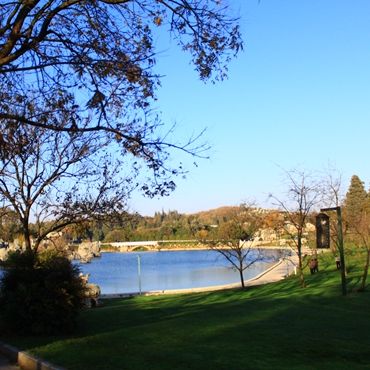
This 250-square-kilometer lake named for its ear-like shape provides Dali's defining feature—offering cycling routes, boat tours, fishing villages, and spectacular mountain-water scenery.
Lake experiences:
- Cycling circumnavigation: ~120km total; most cover sections rather than complete loop
- Boat cruises: Tourist vessels with performances or smaller boats for village stops
- Xizhou village: Well-preserved Bai architecture, markets, tie-dye workshops
- Shuanglang: Eastern shore town with beautiful setting (increasingly commercialized)
- Fishing villages: Traditional communities around perimeter
Ecological protection: Recent measures limiting development and improving water quality enhance environmental health—we support these through responsible tourism practices.
We provide supported cycling with vehicles following for flexible distances, arrange authentic village visits with Bai guides, and time activities avoiding peak hours.
Xizhou Village: Bai Cultural Heart
Dali's finest collection of traditional Bai architecture—grand courtyard homes built by wealthy merchant families displaying distinctive aesthetic.
Village highlights:
- Yan Family Compound: Largest preserved Bai mansion
- Three Courses of Tea Ceremony: Traditional hospitality ritual—bitter, sweet, aftertaste symbolizing life philosophy
- Tie-dye workshops: Bai women demonstrate indigo dyeing techniques; visitors can participate
- Market days: Bai villagers in traditional dress buying/selling produce
- Xizhou baba: Local savory pastries baked in traditional ovens
Our Bai guides provide access to family compounds and workshops not easily found independently, explain architectural symbolism and social customs, facilitate meaningful exchanges respecting traditions.
Cultural respect: Xizhou remains living village, not museum. We emphasize respectful photography, supporting local businesses fairly, understanding homes remain private despite tourism interest.
Cangshan Mountain: Majestic Backdrop

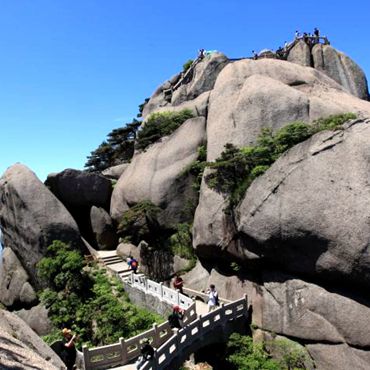
Cangshan's 19 peaks rising over 4,000 meters provide dramatic western backdrop while offering hiking trails, cable cars, alpine scenery, and temples.
Mountain activities:
- Cable car options: Zhonghe Temple (moderate elevation), Gantong Temple (higher), and highest reaching 3,900m
- Hiking trails: Various difficulties from easy temple walks to challenging high-elevation treks
- Alpine scenery: Different ecosystems including meadows and unique flora
- Temples: Buddhist and Taoist temples on mountain slopes
- Photography: Spectacular Erhai Lake views and dramatic clouds
We assess fitness levels and altitude tolerance before recommending routes. Weather changes rapidly—we monitor conditions and adjust plans accordingly.
Safety: Afternoon thunderstorms common during summer rainy season. Bring layers as temperature drops with elevation.
Dali Travel Guide: Practical Tips & Local Insights
Getting AroundTransportation options:
- Bicycles: Ideal for Ancient Town to lake, village exploration, lake sections (rental shops abundant)
- Electric scooters: Popular local transport (Chinese license required)
- Taxis/DiDi: Available, starting fare ¥10
- Public buses: Connect Ancient Town with surrounding areas (Chinese helpful)
We provide private vehicles for comprehensive regional touring and quality bicycle rentals for independent lake exploration.
Bai Cuisine
Highland location creates distinctive cuisine:
Must-try specialties:
- Er kuai: Rice cake prepared grilled, stir-fried, or in soups
- Xizhou baba: Flaky savory pastries
- Rushan: Fried cheese fan—unique dairy product
- Dali yogurt: Distinctive local dairy served with honey/fruit
- Fresh Erhai fish: Various preparations
- Three Courses of Tea: Cultural experience beyond beverage
We balance authentic Bai experiences with comfortable international options, ensuring guests taste distinctive flavors while having familiar choices when desired.
Seasonal Planning

Spring (March-May):
- Comfortable 15-25°C, low rainfall
- March 15th Bai festival with regional celebrations
- Excellent for outdoor activities
Summer (June-August):
- Warm 20-28°C, rainy season with afternoon thunderstorms
- Lush landscapes, mushroom season
- Morning activities optimal before afternoon rains
Autumn (September-November):
- Ideal weather 15-25°C, clear skies
- Golden rice terraces, best photography
- Optimal season for most activities
Winter (December-February):
- Mild days 10-18°C, cold nights, occasional frost
- Clear weather excellent for mountain views
- Fewest tourists, lowest prices
We adjust activities based on patterns—summer emphasizes morning lake activities, autumn prioritizes photography with optimal visibility.
Cultural Etiquette & Sustainability
Bai cultural respect:
- Always ask permission before photographing people in traditional dress
- Villages are living communities requiring respectful behavior
- Support local Bai businesses and craftspeople directly
Environmental responsibility:
- Erhai Lake protection: Use provided facilities, don't litter, support eco-conscious businesses
- Cangshan conservation: Leave No Trace principles, stay on paths, respect wildlife
We partner with locally-owned businesses, employ Bai guides, educate about sensitivities, ensure tourism benefits communities fairly.
Dali Travel Q&A
Q: How many days should I spend in Dali?
A: We recommend 3-4 days to fully experience Dali. This allows time to explore the Ancient Town, cycle along Erhai Lake, and take a day trip to nearby villages, all while embracing the city's laid-back pace.
Q: Is Dali too touristy or still authentic?
A: While the Ancient Town's main streets can be busy, authentic Dali is easily found. We'll guide you to quiet lanes, local markets in Xizhou, and scenic cycling routes—ensuring you experience the city's genuine culture and charm.
Q: What makes Dali different from Lijiang?
A: Dali offers more natural beauty with its lake and mountain setting, a calmer atmosphere, and better cycling opportunities. Lijiang features more elaborate old town architecture but draws larger crowds. The two destinations complement each other perfectly.
Ready to Experience Magical Dali?

Dali captivates with its rare harmony of natural grandeur and living culture—where the Three Pagodas meet Cangshan's peaks, Erhai's shores invite exploration, and Bai traditions thrive in ancient villages. This is where Yunnan's soul shines through cycling paths, golden fields, and timeless craftsmanship.
Let our Dali specialists craft your tour with curated access to authentic villages, scenic cycling routes, and cultural encounters that go beyond the ordinary. We handle every detail to ensure a seamless immersion into this ancient kingdom’s beauty and heritage. Your Dali story begins with us—contact CET to start your journey.