Luoyang Travel Guide & Tours

As the ancient capital of thirteen dynasties, Luoyang stands as a living museum of Chinese civilization. Here, the breathtaking Longmen Grottoes showcase Buddhist art's highest achievement, spring peonies blanket the city in color, and the White Horse Temple marks where Buddhism first took root in China. Having served as China's capital for over 1,500 years—longer than any other city—Luoyang preserves layers of history unmatched anywhere else.
Our Luoyang specialists leverage deep local knowledge to reveal why this overlooked destination deserves equal standing with Xi'an and Beijing. From sunrise at the millennia-old Buddhas to the vibrant Peony Festival and elaborate Water Banquet, we provide access to authentic cultural experiences without the crowds, transforming your visit into a profound journey through China's heartland.
Why Visit Luoyang?

Luoyang represents Chinese civilization's geographical and cultural center—the crossroads where Confucianism, Buddhism, and Taoism flourished, and where celebrated poets, philosophers, and emperors left lasting legacies spanning the Eastern Zhou through Tang dynasties.
What makes Luoyang extraordinary:
-
Longmen Grottoes UNESCO site: 100,000+ Buddhist statues carved into limestone cliffs—one of China's three greatest cave art complexes
- Ancient capital legacy: Capital for 13 dynasties over 1,500 years, longer than any other Chinese city
- White Horse Temple: China's first Buddhist temple (68 AD) marking Buddhism's official arrival
- Peony cultural capital: Home to China's national flower with spectacular April festival
- Tang Dynasty heritage: Cultural golden age flourished here in poetry, art, prosperity
- Archaeological treasures: Ancient tombs, museums, ongoing excavations revealing imperial history
- Authentic experience: Major significance without overwhelming crowds
- High-speed rail access: Excellent connections from Xi'an (1.5 hours) and Beijing (4 hours)
Luoyang in Brief: Essential Travel Facts

Quick Overview:
- Location: Henan Province, central China, Yellow River region
- Best time: April for Peony Festival; September-November for comfortable weather
- Climate: Temperate monsoon—hot summers, cold winters
- Time needed: 2-3 days minimum; 3-4 days for comprehensive exploration
- Language: Mandarin Chinese with Henan dialect
- Population: 7 million (metropolitan area)
Getting there:
- High-speed rail (recommended): Xi'an (1.5 hours), Zhengzhou (40 min), Beijing (4 hours)
- Luoyang Longmen Station: Modern hub connecting major cities
- Airport: Limited domestic flights (Beijiao Airport)
- Train: Conventional services also available
Historical significance:
- Capital periods: Eastern Zhou, Eastern Han, Wei, Western Jin, Northern Wei, Sui, Tang (partial), others
- UNESCO: Longmen Grottoes (2000), Silk Roads designation (2014)
- Cultural importance: Birthplace of Chinese Buddhism, Confucian philosophy development
Top Luoyang Attractions: CET's Curated Selection
Longmen Grottoes: Buddhist Masterpiece

Over 100,000 statues and 2,800 inscriptions carved into limestone cliffs along the Yi River represent the pinnacle of Chinese Buddhist rock art spanning four centuries (493-1127 AD).
Grotto highlights
Fengxian Temple: The monumental 17-meter Vairocana Buddha reportedly modeled on Empress Wu Zetian's features—Tang Dynasty power merged with religious devotion.
Ten Thousand Buddha Cave: Despite its name, this cave contains 15,000 small Buddha images covering walls and ceiling in overwhelming devotional display.
Binyang Caves: Three caves started in Northern Wei Dynasty showcasing Buddhist art evolution across different periods.
Carved inscriptions: Over 2,840 stone inscriptions include calligraphy masterpieces providing invaluable historical records.
Our guides always recommend visiting Longmen Grottoes in the morning when the sunlight illuminates the Buddha statues perfectly and before tour groups arrive. We arrive at 8:00 AM opening for optimal photography light and peaceful atmosphere.
Complete circuit: Most visitors miss the east bank caves—we include the full riverside walk offering different perspectives and quieter viewing.
Visiting logistics: Allow 3-4 hours. Electric carts available for mobility concerns. Steep stairs at some caves require reasonable fitness.
White Horse Temple: Buddhism's Chinese Genesis

As China's first Buddhist temple (established 68 AD), White Horse Temple holds profound significance beyond architectural beauty—representing how foreign religion transformed Chinese culture while adapting to local traditions.
Historical legend: Eastern Han Emperor Ming's dream of a golden deity prompted westward envoys who returned with two Indian monks riding white horses, carrying Buddhist sutras.
Temple features:
- Traditional Chinese temple layout adapted for Buddhist use
- Main halls with Buddha statues and eighteen arhats
- Qiyun Pagoda from Jin Dynasty (1175-1200)
- International temple section: Thai, Indian, Myanmar styles added recently
- Active worship creating authentic spiritual atmosphere
Our guides explain Buddhist basics for newcomers while providing deeper theological context for those familiar, ensuring appropriate depth for all knowledge levels.
Practical: Much quieter than Longmen. Allow 1.5-2 hours. Photography permitted in most areas.
Luoyang Museum: Imperial Treasures

This comprehensive museum houses artifacts from Luoyang's various capital periods, providing essential context for understanding the city's layered history.
Collection highlights:

- Tang Sancai (tri-colored pottery): Famous glazed ceramics showing sophisticated techniques
- Bronze vessels: Zhou Dynasty ritual bronzes demonstrating advanced metallurgy
- Tomb murals: Exquisite paintings depicting daily life and afterlife beliefs
- Stone carvings: Buddhist statuary showing artistic evolution
- Historical documents: Imperial edicts and records documenting political significance
Chronologically arranged galleries trace Luoyang from prehistoric settlements through multiple capital periods, making China's complex dynastic succession understandable.
Visiting: Free admission with ID/passport. Allow 2-3 hours. English labels available but guided interpretation dramatically enhances understanding.
Peony Gardens: National Flower Spectacle
Luoyang's 1,500-year relationship with peonies culminates in the annual Peony Cultural Festival (typically April 10-May 10) attracting millions of domestic visitors.
Major viewing locations:
- Wangcheng Park: Largest collection with 10,000+ plants, hundreds of varieties
- National Peony Garden: Comprehensive collection including rare hybrids
- Luoyang Peony Garden: Terraced hillside displays with city views
Cultural significance: Peonies symbolize prosperity and honor in Chinese culture. Tang Dynasty poets celebrated Luoyang peonies extensively, cementing cultural importance.
Our expertise: We visit gardens early morning when photographers capture best light and crowds remain minimal. Mid-April typically offers peak blooms, though weather variations affect precise timing.
Important: Hotel prices increase 2-3x during festival. Book months in advance if visiting this period.
Ancient Tomb Museum
Unique underground museum where actual ancient tombs from different dynasties create atmospheric journey through Chinese burial customs and afterlife beliefs.
Museum features:
- Han Dynasty multi-chamber tombs with daily life items
- Northern Wei tombs showing Buddhist influence
- Tang Dynasty murals depicting court life with vibrant colors
- Underground passages creating visceral historical connections
Cultural insights: Tombs reveal beliefs about death, afterlife, social hierarchies, and material culture across periods.
Temperature underground stays cool year-round (bring light jacket). Photography restrictions in many areas preserve murals. Allow 1.5-2 hours.
Luoyang Travel Guide: Practical Tips & Local Insights
Getting Around
High-speed rail stations: Longmen Station (modern, 10km south); connections to Xi'an, Beijing, Zhengzhou, Shanghai.
Local transportation:
- Metro: Limited system currently expanding
- Taxis: Abundant (¥8 starting fare), metered, reliable
- DiDi: Works well with English interface
- Tourist buses: Dedicated routes connecting attractions
We provide private vehicles with experienced drivers eliminating navigation stress and maximizing sightseeing time—particularly valuable given Luoyang's spread-out attractions.
Eating in Luoyang
Imperial history created refined culinary traditions:
Must-try specialties:
- Luoyang Water Banquet: 24-course tradition featuring soup-based dishes named for flowing presentation
- Peony swallow vegetable: Shredded radish carved resembling peonies
- Hu spicy soup: Breakfast staple with peppery thick broth
- Luoyang slurry noodles: Fermented soybean-based with unique sour flavor
Dining recommendations:
- Zhen Bu Tong: Famous Water Banquet restaurant with 100+ year history
- Local establishments: Authentic flavors at lower prices
- Street food markets: Evening markets near Old Town
We balance experiencing famous Water Banquet with authentic daily-life dining at local favorites, ensuring optimal variety without overwhelming portions.
Seasonal Considerations

Spring (March-May):
- Peony Festival mid-April to early May (peak tourism, book ahead)
- Comfortable 15-25°C, occasional rain
- Best for flower enthusiasts and festivals
Autumn (September-November):
- Ideal weather 15-25°C, clear skies
- Moderate crowds except Golden Week (early October)
- Optimal for most travelers
Summer (June-August):
- Hot humid 25-35°C
- Fewer crowds, lower prices
- Early morning grotto visits recommended
Winter (December-February):
- Cold 0-10°C with occasional snow
- Fewest tourists except Chinese New Year
- Significant discounts, authentic atmosphere
We adjust itineraries based on weather—summer schedules include air-conditioned museums during hottest hours, winter plans minimize outdoor exposure during coldest periods.
Cultural Workshops

- Tang Sancai pottery: Hands-on experiences creating traditional tri-colored pottery with artisans demonstrating techniques before guests attempt their own pieces.
- Calligraphy classes: Learning brush techniques from local masters, practicing characters for "peony" or "Luoyang."
- Traditional tea ceremonies: Proper appreciation techniques focusing on local varieties.
These hands-on activities transform passive sightseeing into active cultural participation, creating deeper memories.
Recommended Luoyang Tours by CET
Popular Luoyang Tours
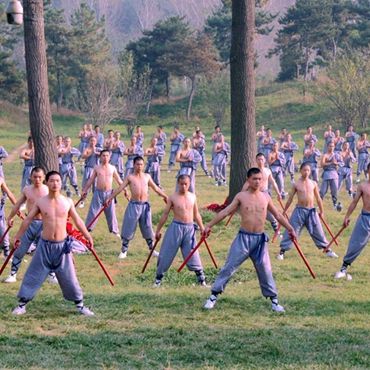
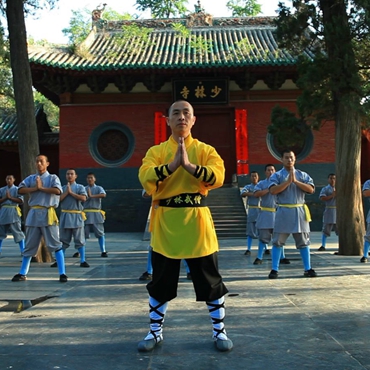
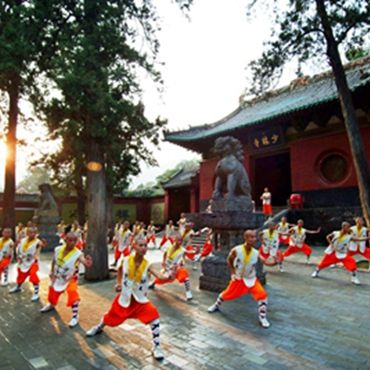
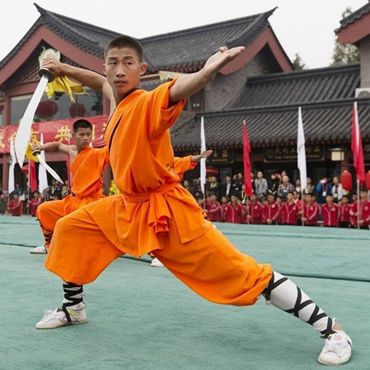
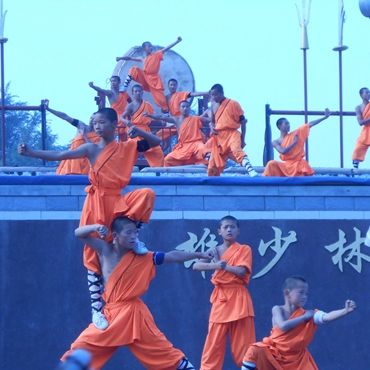
2-day Tour to Zhengzhou, Dengfeng and Luoyang: Visit the cultural relics and historical sites in Zhengzhou and Luoyang, and learn the famous Shaolin Kungfu, this tour will be your best choice.
2-day Tour to Zhengzhou, Dengfeng, Luoyang and back to Zhengzhou: Visit the cultural relics and historical sites in Zhengzhou and Luoyang,and learn the famous Shaolin Kungfu.
China Tours included Luoyang

Concentrative Chinese Kungfu Experience Tour (20 days): This immersive kung fu pilgrimage takes you to the heartland of Chinese martial arts—from the Shaolin Temple to Wudang Mountain—while also showcasing iconic landscapes like the Great Wall and the Li River.
Kungfu Leisure Tour (13 days): Embark on a kung fu pilgrimage across China, from the legendary Shaolin Temple and Wudang Mountain to the historic wonders of Xi'an and the Great Wall in Beijing.
Fantastic Chinese Kungfu Tour(14 days): Walk in the footsteps of masters at the Shaolin Temple, explore ancient capitals, and meet giant pandas on this truly immersive adventure into the heart of Chinese kung fu and culture.
Luoyang Travel Q&A
Q: How many days should I spend in Luoyang?
A: Two full days covers major attractions comfortably. Add a third for deeper exploration or Peony Festival visit. Luoyang works perfectly as 2-3 day addition to Xi'an itineraries (1.5 hours by high-speed rail).
Q: Is Luoyang worth visiting if I'm already going to Xi'an?
A: Absolutely. While both are ancient capitals, they offer distinct experiences. Longmen Grottoes alone justify the visit—different artistic achievement than Terracotta Warriors. Most importantly, Luoyang receives fraction of Xi'an's crowds, offering more authentic, less commercialized experiences.
Q: When exactly is the Peony Festival?
A: Official festival runs approximately April 10-May 10 annually. Peak blooms typically mid-to-late April. If peonies aren't your primary interest, visiting outside festival offers significant savings and easier logistics.
Ready to Explore Ancient Luoyang?
For years, we've witnessed Luoyang—from its serene Buddha grottoes to vibrant peony gardens—create profound connections to China's imperial past. Let our specialists craft your journey. With expert guides, optimal timing, and seamless logistics, we don't just show you sites; we reveal the stories that make them meaningful.
Contact us to begin your exploration. Your journey through thirteen dynasties awaits.