Tibet Travel Guide & Tours

Welcome to Tibet, the "Roof of the World," where ancient monasteries dot the mountains and spirituality infuses daily life. As CET's Tibet specialists, we bring decades of respectful experience to guide you through this extraordinary land.
Traveling here requires both spiritual openness and practical preparation. From permits and altitude to Buddhist customs, our expertise transforms the challenging into the transformative—bridging the possible with the profound.
Why Visit Tibet?

Tibet is a civilization triumphantly forged in thin air, where a profound Buddhist culture permeates all of life. We remind every traveler that a journey here is not merely a visit, but a pilgrimage—whatever your beliefs.
What makes Tibet extraordinary:
- Spiritual epicenter: Home to the Potala Palace, Jokhang Temple, and countless sacred monasteries
- Himalayan grandeur: Views of Mount Everest, Namtso Lake, and otherworldly high-altitude landscapes
- Living Buddhism: Witness centuries-old religious practices continuing in their authentic form
- Cultural preservation: Traditional Tibetan lifestyle maintained despite modernization
- Ultimate adventure: Highest inhabited region on Earth with extreme but stunning geography
- Pilgrimage routes: Sacred koras (circumambulation paths) trodden by pilgrims for generations
The Tibet experience: At Tibet's high altitude, stunning vistas and profound spirituality converge to create transformative clarity. This is the experience we curate at CET—one that resonates forever.
Tibet in Brief: Essential Travel Facts

Quick Tibet Overview:
- Location: Tibet Autonomous Region, southwestern China
- Capital: Lhasa (3,650 meters/12,000 feet elevation)
- Population: 3.6 million (92% ethnic Tibetan)
- Best time to visit: April-October; May-September for high-altitude areas
- Climate: High-altitude plateau climate with intense sun and dramatic temperature swings
- Time needed: Minimum 7-8 days including acclimatization; 10-14 days for comprehensive exploration
- Language: Tibetan and Mandarin Chinese
- Currency: Chinese Yuan (RMB)
- Airport: Lhasa Gonggar Airport (LXA)
Critical planning notes:
- Permits required: Tibet Travel Permit mandatory for all foreign visitors
- Independent travel prohibited: Foreign tourists must travel with registered tour operators
- Advance booking essential: We recommend starting permit process 20+ days before travel
- Group travel: Minimum 2 people typically required for permit approval
CET's expertise: Leveraging our experience with thousands of successful applications, we manage all permit logistics for a seamless journey. Your only focus needs to be the experience itself.
Top Tibet Attractions: CET's Curated Selection
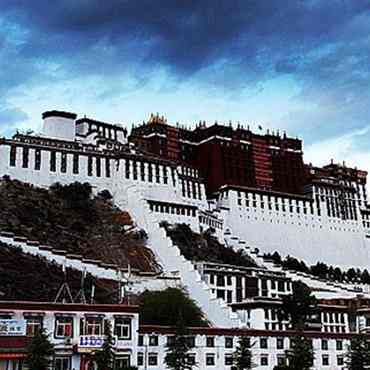
Potala Palace

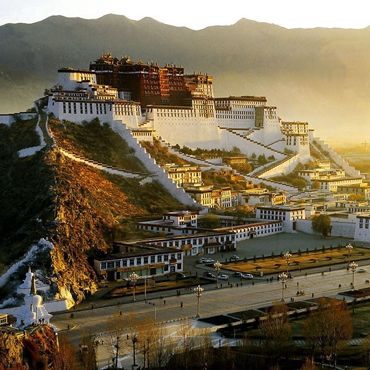
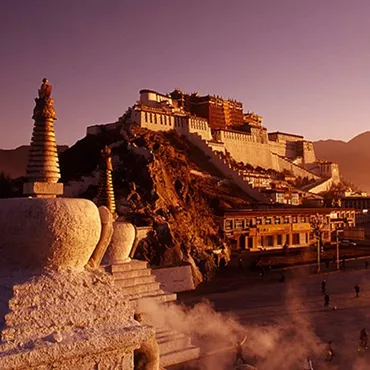
The Potala Palace dominates Lhasa's skyline with its breathtaking presence. More than a former Dalai Lama residence, it is a profound testament to Tibet's spiritual depth and architectural grandeur.
Palace highlights:
- White Palace: Administrative quarters with living chambers and government halls
- Red Palace: Sacred chapels housing stupas of past Dalai Lamas
- Chapel of the Three-Dimensional Mandala: Intricate three-dimensional representations
- Throne room: Where the Dalai Lamas once received visitors
- Rooftop views: Stunning panoramas across Lhasa valley
Visiting logistics:
- Timed entry tickets: Strictly controlled visitor numbers require advance booking
- Physical demands: 200+ steps at high altitude; take your time
- Photography restrictions: Interior photography generally prohibited
- Duration: Allow 2-3 hours for thorough exploration
Jokhang Temple
Considered the most sacred Buddhist temple in Tibet, Jokhang draws pilgrims from across the Tibetan plateau who prostrate themselves in devotion around its perimeter. The spiritual energy here is palpable and profound.
Temple significance:
- Most revered Buddha statue: Jowo Rinpoche, brought to Tibet in 7th century
- Pilgrimage epicenter: Thousands of devout pilgrims visit daily
- Architectural fusion: Blends Tibetan, Chinese, Nepalese, and Indian styles
- Rooftop terrace: Views of Barkhor Street and the Potala Palace
- Active worship: Witness authentic Buddhist practices and devotion
Barkhor Street circuit: The ancient kora (circumambulation) route around Jokhang forms Lhasa's most atmospheric market street. We often spend evenings here, joining the clockwise flow of pilgrims and observing traditional Tibetan life.
Sera Monastery

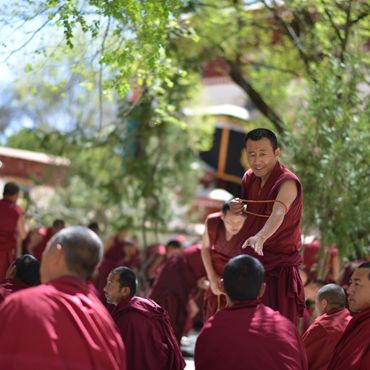
One of Lhasa's "great three" Gelugpa monasteries, Sera offers visitors the unique opportunity to witness monks engaged in philosophical debates—a centuries-old educational tradition that remains vibrant today.
Monastery experiences:
- Monk debates: Afternoon sessions featuring animated theological discussions (typically 3-5 PM)
- Assembly halls: Ornate chapels with ancient murals and Buddhist statuary
- Monastic life: Observe daily routines of resident monks
- Tantric college: Advanced Buddhist studies facility
- Pilgrimage circuit: The monastery's own kora offers peaceful walking meditation
Drepung Monastery
Once the world's largest monastery housing 10,000 monks, Drepung sprawls across a mountainside like a white city. The complex allows visitors to experience monastic life's scale and organization.
Monastery highlights:
- Coqen Hall: Main assembly hall accommodating thousands of monks
- Multiple colleges: Different schools of Buddhist philosophy
- Kitchen complex: Traditional facilities once serving massive populations
- Panoramic views: Hillside location overlooking Lhasa valley
- Shoton Festival venue: Major annual celebration (August/September)
Historical significance: Drepung served as the Dalai Lamas' residence before the Potala Palace was completed, making it central to Tibetan political and religious history.
Namtso Lake
One of Tibet's most sacred lakes, Namtso sits at 4,718 meters, surrounded by snow-capped peaks that reflect in its turquoise waters. This overnight trip represents many visitors' first exposure to extreme high altitude.
Lake experiences:
- Heavenly turquoise waters: Stunning color created by mineral content and altitude
- Nyenchen Tanglha Mountains: Dramatic backdrop of 7,000-meter peaks
- Tashi Dor Peninsula: Sacred pilgrimage site with caves and meditation spots
- Nomadic encounters: Meet Tibetan herders maintaining traditional lifestyles
- Star gazing: Incredible night skies at extreme altitude with minimal light pollution
Altitude considerations: At nearly 5,000 meters, Namtso requires proper acclimatization. We never take guests here before they've spent adequate time in Lhasa adapting to the altitude.
CET's safety protocols: We monitor guests closely at Namtso, provide supplemental oxygen when needed, and always have contingency plans for altitude-related issues.
Mount Everest Base Camp (Tibet Side)

The Tibetan approach to Everest offers dramatically different perspectives than the Nepal side, with clearer views of the north face and the chance to reach 5,200 meters where mountaineers begin their summit attempts.
Everest journey highlights:
- Gyatso La Pass (5,220m): Panoramic views of Himalayan giants
- Rongbuk Monastery: World's highest monastery with Everest views
- Base camp: Tent camp area where climbers stage expeditions
- North face views: Unobstructed perspectives of Everest's dramatic pyramid
- Starlit camping: Optional overnight experiences at extreme altitude
Journey considerations: This 2-3 day journey from Lhasa crosses multiple high passes and requires excellent acclimatization. We carefully assess each traveler's readiness before confirming Everest itineraries.
Shigatse & Tashilhunpo Monastery
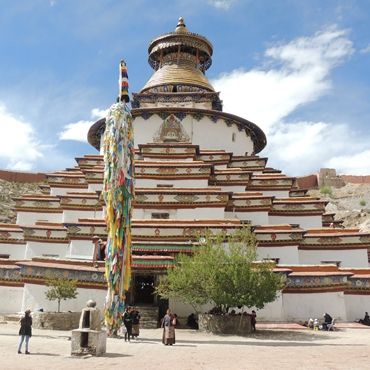
Tibet's second-largest city houses the traditional seat of the Panchen Lamas and serves as the gateway to western Tibet and the Everest region.
Tashilhunpo highlights:
- Giant Buddha statue: 26-meter gilded statue of Maitreya Buddha
- Panchen Lamas' tombs: Ornate stupas containing remains of past Panchen Lamas
- Active monastic community: Over 600 monks maintain daily practices
- Assembly halls: Multiple chapels showcasing Tibetan Buddhist art
- Festival celebrations: Major religious events throughout the year
Regional importance: Shigatse provides essential acclimatization for travelers heading to higher elevations toward Everest or Mount Kailash.
Tibet Travel Guide: Practical Tips & Local Insights
Essential permit requirements:
- Tibet Travel Permit (TTP): Mandatory for all foreign visitors. CET can help get.
- Alien Travel Permit: Required for areas outside Lhasa-Shigatse-Gyantse
- Military Permit: Necessary for certain restricted areas
- Chinese visa: Must be obtained before applying for Tibet permits
Permit process timeline:
- 20+ days before travel: Submit passport copies and Chinese visa to us
- 15 days before: We begin formal permit application process
- 7-10 days before: Permits typically approved and sent to travelers
- Upon arrival: Original permits must be shown at airport/train station
CET's permit services: We handle the entire permit process, working with local authorities to ensure timely approval. Our success rate exceeds 99% when travelers provide required documents within our timeline.
Important restrictions:
- Foreign tourists cannot travel independently in Tibet
- Registered tour operator and guide must accompany travelers
- Some areas require special permits beyond basic TTP
- Permit regulations can change; we monitor policies continuously
Altitude Sickness: Prevention & Management
Our guides always include time for acclimatization in Lhasa before visiting higher elevations. Based on our experience with thousands of travelers, proper acclimatization is the single most important factor in Tibet travel success.
Understanding altitude sickness:
- Lhasa elevation: 3,650 meters where many experience mild symptoms
- Common symptoms: Headache, fatigue, shortness of breath, disrupted sleep
- Serious symptoms: Severe headache, confusion, difficulty breathing (requires immediate descent)
- Who's affected: Physical fitness doesn't predict susceptibility; anyone can be affected
Getting There & Around
Arriving in Tibet:
By air:
- Lhasa Gonggar Airport: Located 60km from Lhasa (90-minute drive)
- Flights from: Chengdu, Beijing, Shanghai, Xi'an, Kunming
- Advantage: Fastest option but immediate high-altitude exposure
- Our recommendation: Arrive morning to maximize first-day acclimatization
By train (Qinghai-Tibet Railway):
- Route: Departs from Xining, Xi’an, Chengdu, Beijing, Shanghai, Guangzhou
- Journey time: 22-48 hours even longer, depending on origin
- Advantage: Gradual altitude adjustment during journey
- Experience: Stunning high-plateau scenery, pressurized cars with oxygen
- Our perspective: Excellent for those with time and interest in gradual acclimatization
Transportation within Tibet:
- Private vehicles: Required for foreign tourists; we provide comfortable 4WD vehicles
- Road conditions: Vary from excellent highways to rough mountain tracks
- Journey times: Often longer than distances suggest due to terrain
- Altitude considerations: Some passes exceed 5,000 meters
Eating in Tibet: High-Altitude Cuisine

Tibetan cuisine reflects the harsh climate and nomadic heritage, featuring hearty dishes that provide energy for life at extreme altitude.
Traditional Tibetan staples:
- Tsampa: Roasted barley flour, dietary staple for Tibetans
- Butter tea (Po cha): Salty tea with yak butter, essential for hydration and calories
- Thukpa: Hearty noodle soup with vegetables and meat
- Momos: Tibetan dumplings filled with yak meat or vegetables
- Yak meat dishes: Various preparations of the plateau's primary livestock
Dining considerations:
- Altitude affects appetite: Many visitors eat less initially
- Hydration priority: Liquid intake more important than solid food at first
- Western food available: Lhasa offers diverse dining; options decrease in rural areas
- Food safety: Stick to hot, freshly cooked foods; avoid raw vegetables initially
CET's dining approach: We arrange meals at tested restaurants meeting international hygiene standards while introducing authentic Tibetan flavors gradually.
Cultural Etiquette & Religious Sites

Monastery behavior:
- Always walk clockwise: Around temples, stupas, and prayer wheels
- Remove hats: Before entering chapels and temples
- Photography: Ask permission; interior photography usually prohibited
- Sitting position: Never point feet toward sacred objects or images
- Prayer flags: Never step over or handle disrespectfully
- Monks photographing: Always ask permission first
Social etiquette:
- Greeting: Place palms together in prayer position (namaste gesture)
- Tongue showing: Traditional Tibetan greeting, not disrespectful
- Gift giving: Small gifts from your home country appreciated by locals
- Sky burial sites: Absolutely forbidden for tourists to visit or photograph
CET's cultural briefing: Before each monastery visit, our guides explain specific protocols and cultural significance, ensuring respectful interaction
Shopping for Tibetan Treasures

Authentic Tibetan items:
- Thangka paintings: Buddhist scroll paintings; quality varies greatly
- Tibetan rugs: Traditional wool carpets with Buddhist motifs
- Prayer wheels: Handheld or table-mounted devotional items
- Jewelry: Turquoise, coral, and silver traditional ornaments
- Singing bowls: Bronze bowls producing meditation tones
Shopping wisdom:
- Barkhor Street: Primary shopping area with haggling expected
- Antique regulations: Genuine antiques cannot be exported legally
- Quality assessment: Our guides help identify authentic items
- Pricing: Expect to negotiate to 50-70% of initial asking price
Seasonal Considerations & Festivals
Spring (April-May):
- Lhasa weather improving but high passes may still have snow
- Fewer tourists, lower prices
- Saga Dawa Festival (May/June): Celebrates Buddha's birth, enlightenment, and death
- Best time for: Budget travelers, cultural immersion
Summer (June-August):
- Peak travel season with best weather
- All roads open, comfortable temperatures
- Shoton Festival (August): Yogurt festival with giant thangka unveilings
- Highest prices and largest crowds
Autumn (September-October):
- Ideal weather with clear skies
- Stunning visibility for mountain views
- Harvest season with local celebrations
- Best time for: Photography, Everest views
Winter (November-March):
- Extremely cold but crystal-clear skies
- Minimal tourists, significant discounts
- Losar (Tibetan New Year - February): Most important festival
- Many high-elevation areas inaccessible
Recommended Tibet Tours by CET

Popular Tibet Tours
4-day Lhasa Holy City Group Tour (4 Days)
Tibet possesses the spectacular snowy scenery, the unique culture, exotic customs and rare animal and plant species to Tibetans. You'll find it when sharing this tour with others.
8-day Lhasa and Everest Base Camp Tour (8 Days)
This 8-day journey takes you from Lhasa, the spiritual heart of Tibet, to the majestic north face of Mount Everest. It's a complete Tibetan experience, blending profound cultural immersion with an unforgettable encounter with the world's highest peak.
China Tours included Tibet China Tibet Discovery Tour and Others (25 Days)
This epic journey captures the essence of China, from the ancient Great Wall and Terracotta Army to the spiritual heart of Tibet. It culminates in a spectacular panorama of the nation's diversity, featuring a Yangtze River cruise and the iconic karst landscapes of Guilin.
China Fairyland Photography Tour (33 Days)
This photography tour captures the essence of China, from Shanghai's urban energy to the epic landscapes of the southwest. Your lens will feast on Longsheng's terraces, Guilin's karst peaks, Jiuzhaigou's colorful waters, and culminate with Tibet's unparalleled high-altitude vistas.
Tibet Travel Q&A
Q: How serious is altitude sickness and who is affected? A: It can affect anyone, regardless of age or fitness. At Lhasa's 3,650m altitude, most experience only mild symptoms. Serious cases are rare with proper acclimatization, which we build into all our itineraries with continuous guide monitoring.
Q: How far in advance must I book my Tibet tour? A: We recommend 30-60 days advance booking. Permit documentation must be submitted at least 20 days before travel. Last-minute trips are impossible due to Tibet's permit system and infrastructure limits.
Q: Can I visit Tibet independently without a tour? A: No. Chinese regulations require all foreign tourists to travel with a licensed tour operator and guide. We create "independent-style" tours with flexible daily arrangements within this required framework.
Ready for Your Once-in-a-Lifetime Tibet Journey?

For over two decades, we've organized and guided travelers through Tibet's sacred landscapes, understanding that a journey here demands specialized expertise and profound cultural respect.
This is a land where altitude, spirituality, and stunning beauty combine to create life-changing moments—from Everest's sunrise to pilgrim paths. Let CET's specialists guide you. With proven logistics, expert local guides, and unwavering safety standards, we transform challenges into seamless, profound adventures.
Your transformative journey awaits. Contact us to start planning—the reward is worth every step of preparation.