Nanchang Travel Guide & Tours
Nanchang travel offers a unique blend of revolutionary legacy, ancient culture, and modern vibrancy that often surprises first-time visitors. As CET travel experts who’ve explored Jiangxi province extensively, we’ve come to appreciate this provincial capital as more than just a historical checkpoint—it’s a city where the Ganjiang River’s currents carry stories of the past while fueling a dynamic present. This Nanchang Travel Guide unpacks its layered identity, practical tips, and hidden gems to help you plan a meaningful trip.
Nanchang: Where Revolutionary History Meets Riverside Vitality

Nanchang is situated on the banks of the Ganjiang River in Jiangxi Province. Forever inscribed in history as the ‘Cradle of the Chinese Revolution,’ it was here that the pivotal Nanchang Uprising of August 1st, 1927, took place, marking the birth of the Chinese People’s Liberation Army.” The city has a history spanning over 2,200 years and is not only known for its revolutionary roots. Once a busy water town in the Tang Dynasty, it is now a bustling transport hub. It is a gateway to Jiangxi's natural and cultural treasures. These include Jingdezhen, the porcelain capital, and Mount Lu.
Our favorite way to understand Nanchang’s two sides is to walk its riverfront. On one side, the iconic Tengwang Pavilion (Tengwang Ge)—a reconstructed Tang Dynasty landmark—rises majestically, its red eaves and golden details shining in the late afternoon sun. (We suggest visiting it for the best photos and views of the Ganjiang.) Inside, exhibits show ancient poetry and art. They highlight Nanchang’s literary history. At the same time, the pavilion’s upper floors offer panoramic vistas of the river and the city’s skyline, where modern skyscrapers stand alongside traditional rooftops.
On the other side of the Ganging lies Nanchang’s revolutionary heart. The August 1st Uprising Memorial Museum is a must-see for history fans. It has interactive displays, real objects, and stories that make the 1927 uprising feel real. We often organize visitors through the museum’s halls, pointing out lesser-known details like the original flag used during the rebellion and personal items of key figures. This museum is not like some sterile historical sites; it is respectful, accessible, and engaging for people of all ages.
What sets Nanchang apart is its ability to honour the past while embracing progress. The Honggutan New Area, located on the opposite side of the river from the old town, showcases the city's modern face with sleek skyscrapers, the impressive Nanchang International Expo Center, and beautiful parks like Qiushui Square – famous for its musical fountains that light up the night sky. We've watched locals and tourists gather here. They come for evening strolls, food stalls, and fountain shows. This is a testament to Nanchang's lively, community-focused spirit.
Your Practical Nanchang Travel Guide: An Overview

Planning a trip to Nanchang is straightforward, thanks to its well-connected transport network and tourist-friendly infrastructure. Below, we put together key practical info and give a preview of our detailed sidebar guides.
Ideal Length of Stay & Best Times to Visit
We recommend 2–3 days in Nanchang: enough time to explore its core historical sites, savor local cuisine, and even take a day trip (Jingdezhen is a 1.5-hour high-speed rail ride away). The best seasons to visit are spring (March–May) and autumn (September–November), when temperatures hover between 15–25°C, and the city is dotted with blooming flowers or autumn foliage.
Avoid summer (June–August) if possible—temperatures often soar above 35°C with high humidity, making outdoor exploration draining. Winter (December–February) is chilly (5–10°C) and damp, but fewer crowds mean more intimate visits to sites like Tengwang Pavilion.
Getting to & Around Nanchang
Nanchang is easily accessible via air, rail, and road, making it a convenient stop on any Jiangxi itinerary:
- By Air: Nanchang Changbei International Airport (KHN) connects to major Chinese cities (Beijing, Shanghai, Guangzhou) and a handful of international destinations. The airport shuttle bus or Metro Line 3 (Airport Express Section) links the airport to downtown (35–45 mins). For door-to-door convenience, use ride-hailing apps like Didi.
- By High-Speed Rail: Nanchang West Railway Station is the main hub, with fast connections to Shanghai (3hrs), Guangzhou (3.5hrs), and nearby Jingdezhen (1.5hrs). The older Nanchang Railway Station serves regional trains and is closer to the old town. Book tickets in advance via the 12306 app or Trip.com.
Within the city, the metro (Lines 1, 2, 3, 4) is the fastest and most affordable option, covering all major attractions and transport hubs. Buses are extensive but slower during rush hour, while taxis and Didi are readily available. We often use the subway to avoid traffic, especially when going between the old town and Honggutan.
Must-See Attractions & Cultural Experiences

Nanchang’s top sights cater to history, culture, and nature lovers alike:
- Tengwang Pavilion: Don’t miss the traditional music performances and calligraphy demonstrations held regularly on-site. Arrive early to beat crowds, or stay late for the evening light show.
- August 1st Uprising Memorial Museum: Allocate 1.5–2 hours for a thorough visit. The museum is free (bring your passport), and English audio guides are available.
- Qiushui Square: Catch the musical fountain show at 8 PM (daily in peak season) for a memorable evening. Pair it with a stroll along the Ganjiang River Bund.
- Bayi Square: A central plaza honoring the August 1st Uprising, with a towering monument and underground shopping mall. It’s a great meeting point and spot for people-watching.
To feel the local culture, visit Old Street (Laojie) in the old town. Old wooden buildings hold snack stalls, tea shops, and craft stores. We like looking for Jiangxi special things like small porcelain items and painted fans, and stopping to try noodles at a family restaurant.
Eating in Nanchang: Spicy Gan Cuisine Delights

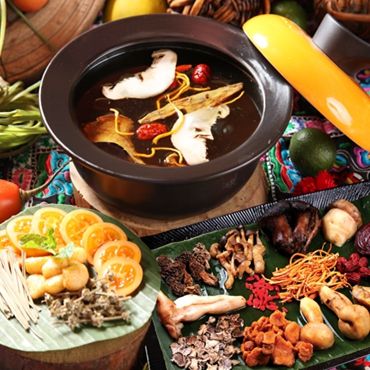
Gan cuisine (Jiangxi’s local style) is known for its bold, spicy flavors, fresh river ingredients, and unique cooking techniques—something we eagerly anticipate on every trip. The must-try dishes include:
- Nanchang Rice Noodles (Nanchang Mixian): A breakfast staple—chewy rice noodles in a savory, slightly spicy broth, topped with pickled vegetables and pork. We recommend the stall near Bayi Square, where locals queue daily.
- Braised Pork Ribs with Brown Sauce (Hong Shao Pai Gu): Tender ribs slow-cooked in soy sauce, sugar, and spices—comfort food at its finest.
Ganjiang River Fish: Fresh fish stir-fried with chili, ginger and garlic. It shows the city’s riverfront location.
- Osmanthus Cake (Guihua Gao): A sweet treat made with osmanthus flowers, perfect for satisfying a sweet tooth after a spicy meal.
For dining spots, Old Street and the area around Tengwang Pavilion offer authentic local eateries, while Honggutan has a mix of international and upscale Gan cuisine restaurants. Street food lovers will enjoy the night markets near Bayi Square, where stalls serve everything from grilled skewers to sweet soups.
Shopping in Nanchang: Souvenirs & Local Finds

Nanchang's shopping scene blends traditional handicrafts with modern malls, creating a unique and vibrant atmosphere where visitors can experience the best of both worlds.
- Traditional souvenirs: Jingdezhen porcelain, which is available in specialty shops on Old Street, is well worth a look. So too are the hand-woven textiles and osmanthus-scented products (tea, candles and skincare).
- Modern shopping centres: MixC Nanchang and Wanda Plaza in Honggutan offer international brands, while the underground mall at Bayi Square is great for affordable fashion and electronics.
- Local markets: The Nanchang Farmers' Market is ideal for fresh produce. It is also ideal for dried goods. And it is ideal for packaged snacks like osmanthus candy and preserved vegetables. These are perfect for bringing home.
Essential Travel Tips & FAQs

Follow these tips to make your trip smooth
- Payment: Alipay and WeChat Pay are universally accepted; carry small cash (¥100–200) for street stalls or rural areas.
- Language: Mandarin is the main language. Basic English is spoken at hotels and major tourist sites; download a translation app for convenience.
- Weather Prep: Pack sunscreen, a hat, and a reusable water bottle for summer; layers and a waterproof jacket for winter and spring.
- Etiquette: Be respectful at revolutionary sites. Avoid loud talking or inappropriate photos. Bargain politely at markets (start at 50% of the asking price).
Common questions include “Is Nanchang worth visiting?” and “What day trips are available?” We answer these and more in our detailed guides. The short answer: Yes, Nanchang is worth visiting for history lovers and cultural travelers. Day trips to Jingdezhen (porcelain) or Mount Lu (scenery) are easy to arrange.
Final Thoughts
Nanchang may not have the postcard beauty of Guilin or the glitz of Shanghai, but its authenticity and layered history make it a compelling stop in Jiangxi. Whether you’re tracing revolutionary footsteps, marveling at ancient pavilions, or savoring spicy Gan cuisine, the city offers a genuine glimpse into central China’s soul.
Ready to explore this cornerstone of modern Chinese history? Dive into our detailed guides on getting around, eating, and more using the links throughout this article, or check out our tailored services to experience Nanchang and its surrounding treasures with our expert guidance.