Qufu Travel Guide & Tours
Qufu is a unique conversation across millennia; it is an invitation to the birthplace of Confucius and, subsequently, the cradle of East Asian thought. To walk through its harmonious architecture and stratified history can be nothing less than profound. This guide serves as your cultural interpreter, helping to decode this experience so that your journey is both insightful and logistically smooth, whether you seek scholarly depth or personal resonance.
Why Visit Qufu
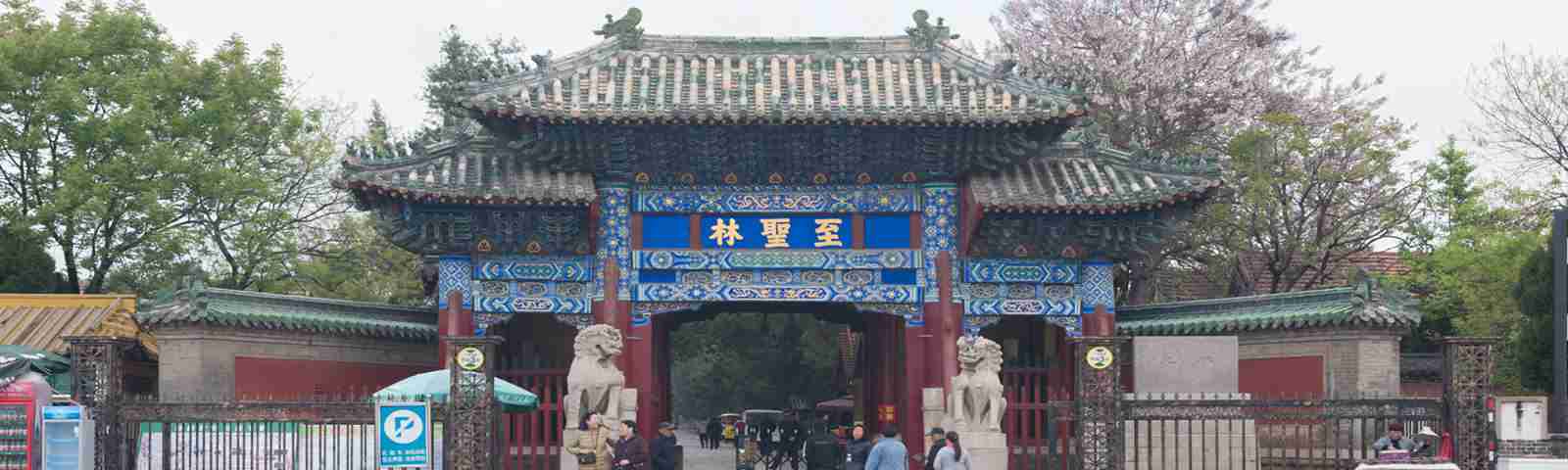
Qufu, the sacred birthplace and burial place of Confucius (551-479 B.C.), is the spiritual heart of Confucianism. For over 2,500 years, his teachings have shaped East Asian thought, a legacy enshrined in the city's exceptional architectural heritage, collectively inscribed as a UNESCO World Heritage Site: "San Kong" (The Three Confucian Sites).
Temple of Confucius: Expanded from the site of the philosopher's home, this vast complex of 466 halls and pavilions is centered on the magnificent Dacheng Hall---the third-largest ancient wooden structure in China. Its 28 intricately carved dragon columns symbolize the supreme honor accorded to Confucius.
The Kong Family Mansion: Adjacent to the temple, this was the hereditary estate of Confucius's direct descendants for nearly 900 years. Its 480 rooms and traditional Chinese gardens offer a glimpse into the aristocratic life of the Kong family.
Confucius Cemetery: A serene, forested necropolis and the world's oldest and largest family cemetery. Over 2,400 years, Confucius and more than 100,000 of his descendants have been laid to rest here among ancient cypress and pine trees.
Apart from these grand-scale sites, Qufu's well-preserved old town is a great option that offers a harmonious and cultural experience as a result of its traditional buildings and slower pace of life.
Planning Your Pilgrimage: A Practical Guide to Qufu

Qufu's focus on cultural heritage means a little planning goes a long way to enhancing your experience. Below, we integrate essential practical details, previewing our detailed sidebar guides to help you prepare seamlessly.
Ideal Length of Stay & Best Times to Visit
Indeed, we would advise spending 1-2 days in the town of Qufu, which would be sufficient to visit San Kong in an unhurried manner, watch a cultural performance, and taste local culinary specialties. Otherwise, the visit will be nothing more than a superficial overview.
The optimal months to visit are spring (March to May) and autumn (September to November), during which the climate is mild (10-25°C) and conducive to walking. Summer (June--August) is hot and humid (30--35°C), while winter (December--February) is cold (0--10°C) but far less crowded. It's best to avoid Chinese national holidays, such as Golden Week in October or Spring Festival, if possible, as this time is very crowded, disturbing the peaceful ambiance of the monument.
Getting to Qufu

Qufu is easily accessible via modern transit, with high-speed rail (HSR) being the most convenient option:
By High-Speed Rail: Qufu East Railway Station connects to Jinan (Shandong's capital, 1 hour, ¥50), Jining (30 minutes, ¥20), Beijing (2.5 hours, ¥200), and Shanghai (4 hours, ¥300). From the station, take a taxi or Didi to the city center (15 minutes, ¥20--30) or use local bus Route 5 to reach the San Kong.
By Air: The nearest major airport is Jinan Yaoqiang International Airport (1.5 hours from Qufu by HSR). For international travelers, fly into Jinan and transfer to Qufu via HSR.
By Long-Distance Bus: Buses from nearby cities like Tai'an (Mount Tai) and Jining are available, but HSR is faster and more comfortable.
Exploring the Sites: Tickets & Guides
A joint pass for the Three Confucian Sites (San Kong, ¥140) grants access to all three attractions and is valid for 2 days, which allows you to divide visits to places. You can purchase online tickets from the Trip.com website or from the online ticketing counter near Confucius Temple to save time from standing in line.
The first thing we've noticed at these sites is that a guide can really enhance your experience at such a holy place. Guides (¥100-¥150 for 2-3 hours, depending on the site, and available at the entrance to each San Kong site) are knowledgeable at all the San Kong sites, with lots of interesting stories about Confucius' biography, the history of these places, and Confucian philosophical teachings that are not in guidebooks. Guides often speak English.
Cultural Etiquette
Qufu's sites are sacred to many, so a respectful demeanor is expected:
- Speak softly in the temple, mansion, and cemetery.
- Do not touch ancient artifacts, carvings, or stone statues.
- Follow designated paths and do not climb on buildings or walls.
- Photography is allowed, but avoid using flash in indoor exhibition halls.
Dining in Qufu: Savoring Xianghe Cuisine

Qufu's signature cuisine is Kongfu Cuisine, a prestigious branch of Shandong's Lu Cuisine, with dishes that reflect Confucian values of frugality, balance, and respect for ingredients. Must-try dishes include:
Confucius Family Braised Pork: A tender, sweet-savory pork dish cooked with soy sauce and rock sugar, a signature of Kong Family Mansion banquets.
Steamed Perch with Scallions: A light, flavorful dish that highlights the freshness of seafood (a staple of Lu cuisine).
Milky Tofu Soup: A creamy, comforting soup made with local tofu, perfect for cooler days.
For an authentic experience, dine at restaurants near the San Kong, like Kongfu Restaurant, which serves authentic Kongfu Cuisine. Local street food, such as baked wheat cakes (火烧) and sweet potato porridge, is also worth trying.
Shopping in Qufu: Meaningful Souvenirs

Qufu's souvenirs are deeply rooted in Confucian culture. Meaningful purchases include:
Confucian Classics: Reproductions of the Analects, or Confucius' sayings, in English or in Chinese, perhaps with fine examples of Chinese calligraphy.
Replica Items: Replicas of the stone dragons in Dacheng Hall, Calligraphy Brushes, and Ink Stones.
Local Crafts: Paper crafts, wood carvings, and silk scarves with motifs of Confucian philosophy.
The best shopping areas are Zhishui Avenue and the alleys near the Confucius Temple. For assured quality, patronize authorized stores or family-run workshops.
Entertainment & Cultural Experiences
For a better understanding of Confucian culture, I would recommend a Confucius Ceremony Show, which takes place at Confucius Temple; historical ceremonies, once conducted in honor of Confucius, are recreated with Confucian court music and dance. (The show usually takes place in the morning or in the afternoon, depending on when you visit.)
If you are looking for a more relaxed evening, you should go to the old part of Qufu and visit several teahouses that serve jasmine tea and local snacks. Some of these offer calligraphy and paper cutting classes so that you can try making Chinese art yourself.
Practical Tips for Travelers
Walking Distance: The Confucius Temple and the Kong Family Mansion are located side by side; however, the Confucius Cemetery is 1.5 km away from the city center. In this case, you might prefer to take a taxi or an electric cart (charges 10-15 yuan) to move from the Confucius Cemetery to the other attractions when the weather is hot or freezing.
Pack these packing essentials: Walking the better kind, since you'll be on your feet for an average of eight hours. A hat and sunscreen if it is summer, and layers if it is winter, and a refillable water bottle.
Connectivity: Connectivity facilities include Wi-Fi, which can be accessed at most of the popular destinations and hotels. It would be wise to purchase a local eSIM or SIM card if need be, as it would be useful for navigation purposes.
Language: English is spoken in most hotels and at major attractions, so it's a good idea to have a translation app in case you encounter local eateries and small shops.
You Gotta Come to Qufu
Qufu is a land of quiet wisdom, where every rock, hall, and tree has a story to tell about the influence of Confucianism. This is not a land for adventure-seekers but for those seeking an experience that will give them a deeper insight into the roots of China's culture. Qufu can best be described as China's Confucius land.
Preparing for the walk of the Sage? Start here, and read our extensive posts on transport, cuisine, and entertainment options to get ready for a very fulfilling trip to the heart of Chinese culture, Qufu. If you prefer a tailored experience, look into our offerings, where Qufu shines alongside the best of Shandong, including the majestic Mount Tai, and experience the very essence of this province.