Chengdu Travel Tips
Having organized groups to Chengdu more times than we can count, we've picked up so many little lessons that never make it into regular guidebooks. We've sat with tea house elders who taught us the right way to hold a gaiwan (turns out we'd been doing it wrong for years), laughed as travelers begged for "less spice" after their first bite of mapo tofu, and stumbled on hidden hutongs where grandpas play mahjong under ginkgo trees until dusk. These are the bits that make Chengdu feel like more than a destination—and today, we're sharing them with you.
Travel Prep Tips
Chengdu's weather is tricky in the sweetest way—never too hot, never too cold, but always ready to surprise you. From June to September, it'll pour for 20 minutes around 3 PM like clockwork, then clear up to a rainbow. So, skip the bulky umbrella—grab a compact foldable one that fits in your crossbody bag (trust us, you don't want to juggle a big umbrella and street food). And leave the cotton jeans at home—pack quick-dry pants, because damp denim sticks to your legs all afternoon, and no one wants that while wandering Kuanzhai Alleys.
Winters (December to February) are cozy-chilly—rarely below freezing, but the damp air seeps into your bones. Layer a thick down jacket over a sweater: tea houses blast heat, so you can peel off layers inside, but hutong walks need that extra warmth. Comfortable shoes? Non-negotiable. We've had travelers wear new sneakers and end up with blisters after a morning at Jinli—break in your shoes first, or grab a cheap pair of canvas shoes locally (they're perfect for stone paths).
Pro tip: If you're sensitive to spice, toss a small pack of antacids in your bag. We clearly remember once a guest from the United States swore by hers after trying "mild" spicy rabbit head—even the gentlest Sichuan flavors have a kick.
Itinerary Planning
You know what the biggest mistake we see travelers make is? Cramming Dujiangyan, Mount Qingcheng, and the Panda Base into one day. Chengdu isn't about checking boxes—it's about sitting in a tea house for an hour watching locals chat. So avoid overpacking your days.
Popular spots like the Panda Base and Dujiangyan get busy, especially in spring (March-May) and autumn (September-November)—book tickets three days ahead, or you'll spend an hour in line. But don't rush day trips: Dujiangyan's ancient waterways deserve time to wander, and Mount Qingcheng's misty trails are best enjoyed at a slow pace. We once had a group that skipped the cable car and hiked down Qingcheng—they ended up chatting with a Taoist monk who gave them homemade osmanthus tea. That's the magic of slowing down pace when traveling.

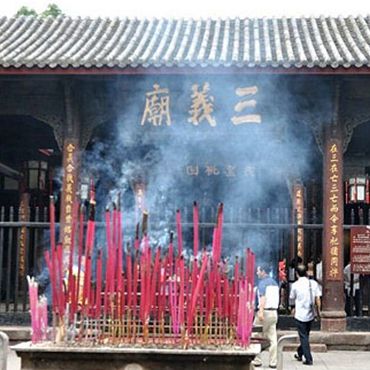
In the city, mix busy and quiet: Spend a morning at Wuhou Shrine, then duck into a tiny tea house on a side alley for lunch. Skip the crowded parts of Chunxi Road and head to the back streets—there's a 20-year-old noodle shop there that locals swear by (ask for Auntie Li's beef noodles). And always leave 1-2 hours unplanned—our favorite moments in Chengdu are spontaneous: joining a mahjong game with elders in People's Park, or following a street vendor selling bing tang hu lu into a hidden alley.
Local Experience Hacks
Chengdu's soul is its "lazy joy"—you won't get it by rushing. Heming Teahouse in People's Park is famous, but the best tea spots are the small ones. We love the one near Qingyang Palace—Auntie Wang runs it, and she'll teach you to brew jasmine tea in a gaiwan (a tea cup with a lid) if you ask nicely. A pot costs just ¥15-30, and you can stay all afternoon watching locals play chess. Skip the overpriced tea houses on Jinli—they're for tourists, not real Chengdu vibes.
For street food, forget the stalls with big "Tourist Friendly" signs. Ask your homestay owner where they eat—last trip, our driver took us to Jinniu District Night Market, where a grandma sells spicy rabbit head that's been a family recipe for 40 years. And here's the key: negotiate spice levels. Locals don't expect foreigners to handle full spice—just smile and say "dan la" (mild) or "wu la" (no spice). Auntie Li at that noodle shop even lets you taste a bite first—she'll adjust the spice until it's perfect for you.
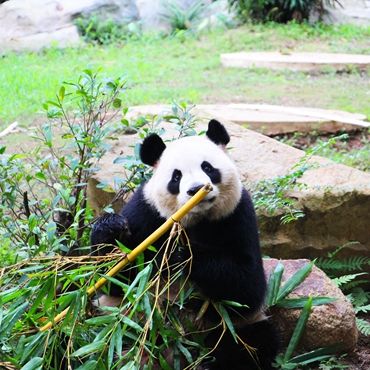
At the Panda Base, arrive by 8:30 AM. Pandas are morning creatures—they'll be munching bamboo and rolling around before 10 AM, then they'll nap all afternoon. If you're lucky enough to book a panda-feeding experience (only through official channels or authorized groups, around ¥500-800), listen to the keepers—they're strict for a reason. We once had a guest try to sneak a cookie to a panda—never do that. Pandas have super specific diets, and outside food can make them sick.
Hold the bamboo like the keepers show you—parallel to the ground, no sudden moves. Their paws are stronger than they look, so keep a safe distance. And skip flash photography—loud noises or bright lights stress them out. Book a local guide, too—they'll point out newborn pandas (if there are any) and tell you stories about the pandas' personalities (our favorite is Xiao Hei, who loves to steal bamboo from other pandas).

Local Customs & Special Festivals
Chengdu locals are famously warm, but a little understanding of their customs goes a long way. When visiting someone's home (like a homestay owner who invites you for dinner), it's polite to bring a small gift—local pastries from a shop like Daoxiangcun or a nice box of tea works perfectly. We once had a guest bring a pack of their hometown's honey to a homestay grandma, and she spent the next day making honey osmanthus cakes to share—it's the thought that counts.
Tea house etiquette is simple but important: when someone pours tea for you, tap the table twice with your index and middle fingers (it's a silent "thank you"). This tradition started with emperors who couldn't bow at the table, so they used the gesture instead—locals still do it today, and they'll smile if you join in. Also, don't be shy to join a mahjong game if invited—even if you don't know how, locals will patiently teach you (just let them win a round or two at first).
As for festivals, Chengdu has some unique ones you won't want to miss. The Chengdu Lantern Festival (15th day of the first lunar month) is magical—Jinli and Kuanzhai Alleys are strung with thousands of lanterns, and locals carry paper lanterns while eating tangyuan (glutinous rice balls). We took a family there last year, and the kids loved making their own lanterns with local artisans.
The Qingyang Palace Temple Fair (during Spring Festival) is another highlight—you can watch Sichuan opera face-changing, eat traditional snacks like fried dough twists and spicy tofu pudding, and even get a fortune told by Taoist monks. For food lovers, the Chengdu Hot Pot Festival (usually in October) is a dream—restaurants across the city offer special hot pot sets, and there are street stalls serving creative hot pot snacks like hot pot-flavored potato chips.
A small heads-up about the Double Ninth Festival (9th day of the ninth lunar month): locals climb Mount Qingcheng to pray for good health. If you're there, join them—many bring chrysanthemum wine and cakes to share, and the mountain is filled with laughter. We once met an old man who shared his family's chrysanthemum wine with us; he said climbing and sharing food is "the Chengdu way" to character.
Safety Reminders
Chengdu is one of the safest cities we've ever worked in, but small precautions help. In crowded spots like Jinli or Chunxi Road, keep your crossbody bag zipped—pickpockets target tourists staring at street performers. When using Didi (the local ride-hailing app), confirm the driver's name and license plate before getting in—drivers often wait outside pick-up zones to avoid traffic, so it's easy to get into the wrong car by mistake.
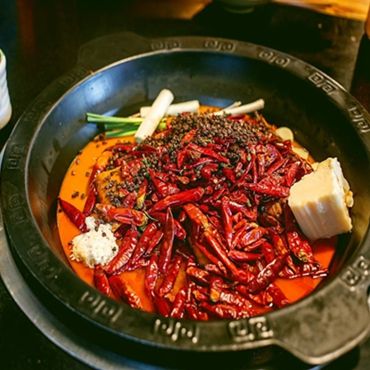
For food safety, follow the locals. Busy stalls with long lines are always better—if locals eat there, the ingredients are fresh. Avoid undercooked food, but don't worry too much—Sichuan cuisine is meant to be fully cooked, and street vendors take pride in their food. If you're new to spicy food, start slow: mapo tofu is milder than hot pot, and kung pao chicken is a great intro. Split a hot pot with friends and get a "split pot" (half mild, half spicy)—that way everyone's happy.
If you're hiking Mount Qingcheng or exploring Dujiangyan, wear non-slip shoes—paths get slippery after rain. We always carry a small first-aid kit with band-aids and pain relievers—blisters and sore feet happen. And tell your hotel where you're going for day trips—just in case. Finally, drink bottled water or boiled water—tap water isn't safe to drink raw, but most tea houses will refill your bottle with hot water for free.

We hope these tips help you skip the tourist traps and find the real Chengdu: the laughter in tea houses, the warmth of locals sharing their food, and the quiet joy of watching a panda munch bamboo at sunrise.
If you want a trip that's tailored just for you—whether it's a food-focused tour, a family trip with kids, or a cultural deep dive—our team at China Expedition Tours is here. We've spent years building relationships with locals, so we can get you into that tiny noodle shop or panda-feeding experience that most travelers miss. Happy travels—Chengdu's waiting for you.