Dunhuang Travel Tips
Dunhuang is a quiet city in the Gobi Desert, full of history and amazing landscapes. If you're thinking about visiting, here are some tips that'll make your trip easier and more enjoyable.
Best Time to Visit
Dunhuang can get really hot in summer and freezing cold in winter. The best times to visit are spring (April to June) and autumn (September to November). The weather is much more comfortable then. Summer can be super hot, so if you're not used to the heat, it might be better to avoid it. Winters are calm but chilly, so you'll need a warm jacket if you go during that time.

How to Get There
Getting to Dunhuang is easy. There's an airport with flights from cities like Lanzhou and Xi'an. You can also take a train to Dunhuang Railway Station, which connects to other parts of the province. If you're traveling from nearby places, buses are also an option.
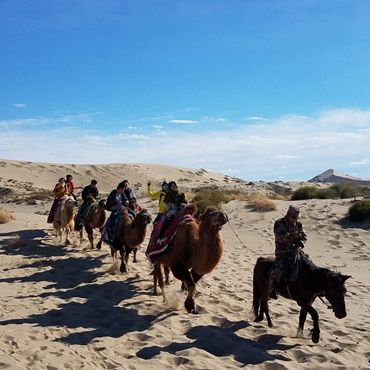
Once you're there, taxis are the easiest way to get around, and if you're heading to remote places, like the desert, it's best to go with a tour group or hire a private car.
Stay Hydrated and Protect Yourself from the Sun
The desert air is dry, and the sun can be strong, so it's important to take care of yourself:
- Drink lots of water, always carry a water bottle with you.
- Wear sunscreen, a hat, and sunglasses to protect yourself from the sun.
- Dress light and comfortable during the day. If you're visiting in the winter, pack warm clothes, especially for the evenings when it gets chilly.
Respect the Local Culture
Dunhuang is rich in history, and it's important to respect the culture and traditions:
- When visiting temples or sacred areas, make sure to dress modestly and cover your shoulders and knees.
- Some sites, like the Mogao Caves, don't allow photography, so always check before you take any photos.
Getting Around Dunhuang
Though it's a small city, Dunhuang's attractions are spread out. Taxis are easy to catch for getting around the city, but if you plan on visiting areas outside of town, like the desert or caves, private tours are the best way to go. It'll save you time and hassle.
Money and Payment
While some bigger hotels and shops accept credit cards, it's still a good idea to have cash for smaller purchases or in rural areas. You'll find ATMs in the city, but make sure to take some extra cash if you plan on traveling to remote spots.
Communication
Most people speak Mandarin in Dunhuang, but some locals also speak Uygur or Kazakh. English is not widely spoken, so learning a few basic Mandarin phrases or using a translation app could be helpful. Locals are friendly and will try to help, even if there's a language barrier.
Travel Insurance
It's always a good idea to get travel insurance in case of any emergencies, lost luggage, or delays. Dunhuang is a bit isolated, so it's better to be safe and covered while you're out there.
Staying Connected
You'll find Wi-Fi in most hotels and cafes, but if you head out into more remote areas, internet might be slow or unavailable. A local SIM card can be a good option if you need access to maps or translation on the go.
Packing Essentials
Here's a simple packing list:
- Sunscreen, hat, and sunglasses to protect yourself from the sun
- Comfortable shoes for walking
- Light clothing for hot days, and warm layers for cooler evenings
- Water bottle to stay hydrated
- Camera for the beautiful views
- Portable charger for your devices
A Few Extra Tips
- Book early for popular spots like the Mogao Caves. Tickets can run out quickly, especially in peak seasons.
- Don't rush! The desert is meant to be enjoyed slowly. Take your time and soak in the peaceful atmosphere.
- Plan ahead for the desert: If you're heading into the dunes, make sure you have plenty of water, snacks, and sun protection. The desert can be tricky, so let someone know where you're going.