Eating in Kunming
Kunming Food Briefing
Distinct from China’s classic culinary traditions, Yunnan cuisine (Dian Cai) thrives as a mosaic of biodiversity and cultural fusion. Nestled in a region holding over half of China’s plant species, its dishes blend Sichuan’s spice, Shandong’s wok techniques, Cantonese subtlety, and Jiangsu’s finesse. Dramatic elevation shifts—from icy peaks to tropical valleys—supply ingredients as varied as the province’s 26 ethnic groups, making every meal an ecological adventure.History flavors every bite. The Tea-Horse Road brought Sichuan chilies to minority villages, Ming Dynasty soldiers introduced Shandong-style stir-frying, and Cantonese migrants inspired steam-pot chicken. Indigenous innovation shines through: Dai lemongrass-grilled fish, Bai’s fermented lake fish, Hani mountain herb pastes, and Naxi air-cured pork—all testaments to survival wisdom in this vertical landscape.
Kunming, the “Eternal Spring City,” offers a year-round feast. Vibrant markets burst with wild mushrooms—earthy morels, buttery porcini—and edible flowers turned into flaky pastries. Street food ticks to nature’s clock: dawn delivers rice noodles in boiling broths, noon steams chicken for hours, while night sizzles with tofu transforming over charcoal. Seasonal rhythms rule menus—spring wild herb omelets, summer rain-fed greens, autumn mushroom rice, winter herbal stews.This culinary wonderland treats ingredients as living heritage. Terraced red rice meets wild honey in ethnic feasts; lacquer oil and yak butter unite in mountain stews. Even mashed potatoes become art, mixed with rainbow tubers and fermented pickles. Chefs act as nature’s translators, using sour fruits to balance richness, aromatic leaves to heighten freshness, and aged hams to add depth.
While modern gastronomy chases trends, Yunnan stays rooted. Clay pots simmer with earthy authenticity, three-year-cured hams whisper patience, and daring salads mix bitter herbs with floral citrus. From snow peaks to rainforests, each dish maps the land’s contours—a harmony of wilderness and tradition where 26 cultures share one table. More than food, it’s a journey through China’s last culinary wilderness.

Famous Local Dishes
Famous Local Food
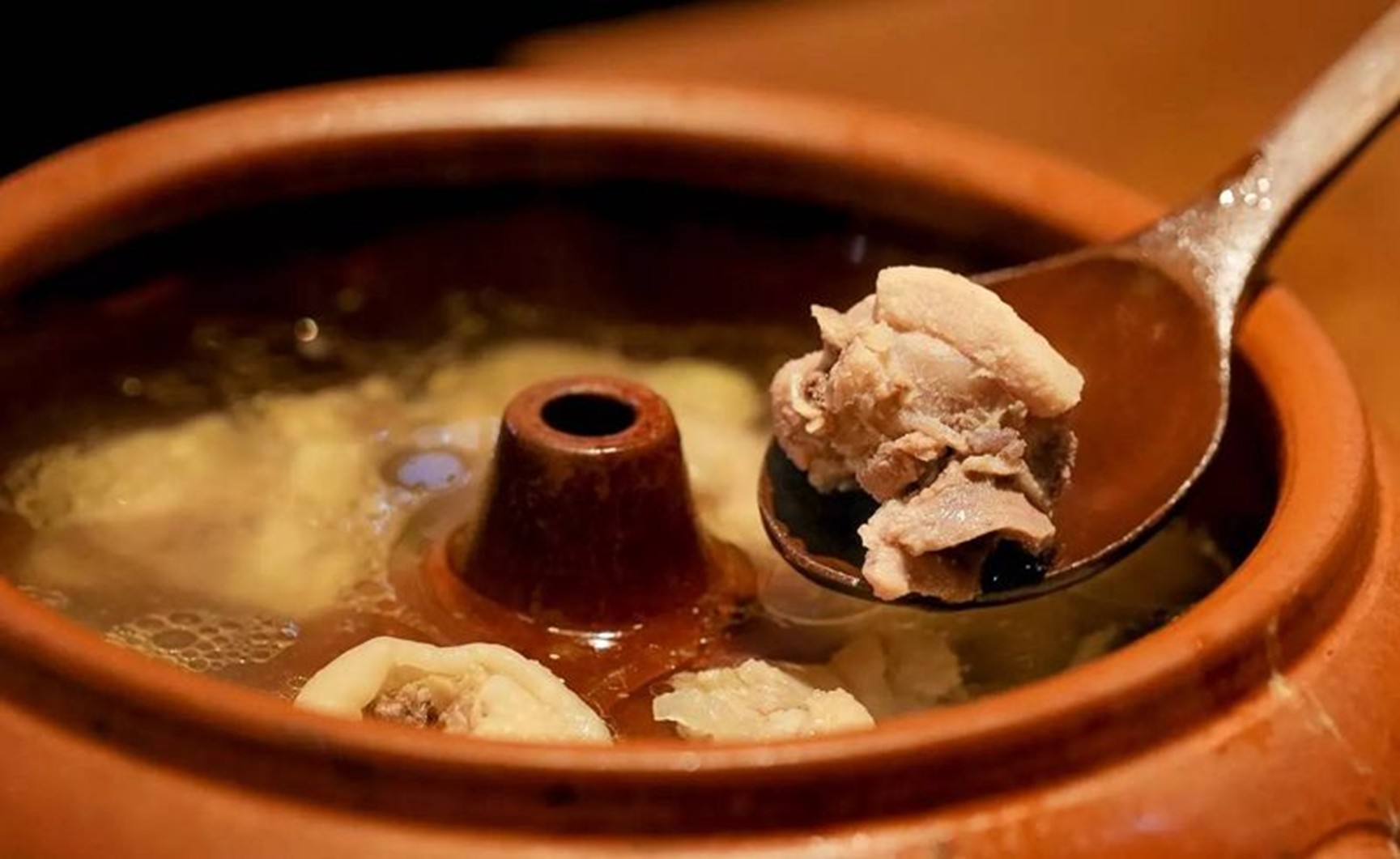
Steam-Pot Chicken (Qi Guo Ji 汽锅鸡)
As the crown jewel of Yunnan's culinary heritage, Steam-Pot Chicken traces its origins to the late Qing Dynasty (circa 1840-1875). The secret lies in the unique Jianshui purple clay steam pot - a traditional craft recognized as national intangible cultural heritage. These unglazed earthenware vessels, handcrafted using 1,300-year-old techniques from Jianshui's volcanic clay deposits, feature a distinctive central chimney that creates a natural convection cycle. Locals prefer free-range "black-bone chicken" (乌骨鸡) raised in Mile county, known for its lean meat and high amino acid content. The preparation ritual involves layering ginger slices, Fructus Tsaoko (草果) from Nujiang Valley, and Yunnan pine needles at the base, then adding chicken pieces without a single drop of water. As steam rises through the chimney for 3.5-4 hours at 95°C, it condenses into pure chicken essence - a golden elixir containing over 18 types of amino acids. Served with a pinch of Shangri-La rock salt and goji berries from Ning'er County, this medicinal dish has been recorded in the "Compendium of Materia Medica" for its blood-nourishing properties. At Kunming's century-old Fuxianglou restaurant, chefs still use Qing-era steam pots displayed as cultural artifacts.
Xuanwei Ham (Xuan Wei Huo Tui 宣威火腿)
Crowned as one of China's "Three Great Hams" alongside Jinhua and Rugao, Xuanwei Ham boasts Protected Geographical Indication status since 2001. The 600-year-old craft begins each winter when farmers in Xuanwei County (elevation 1,900m) salt-cure hind legs of the unique "乌金猪" breed - black pigs fed on highland buckwheat and medicinal herbs. After 30 days of hand-massaging with salt from Yunnan's salt mines, the hams undergo 18-month fermentation in limestone caves with constant 15°C temperature and 70% humidity. The resulting marbled meat contains 48.7% unsaturated fatty acids and 18 amino acids per 100g, earning it a gold medal at the 1915 Panama-Pacific Exposition. Traditional grading standards require at least 10 chrysanthemum-shaped crystalline formations in each slice. Local connoisseurs pair paper-thin slices (cut with special curved knives) with Dali yak butter tea. Remarkably, a 1942-produced ham recently sold at auction for ¥268,000, demonstrating its legendary preservation quality.
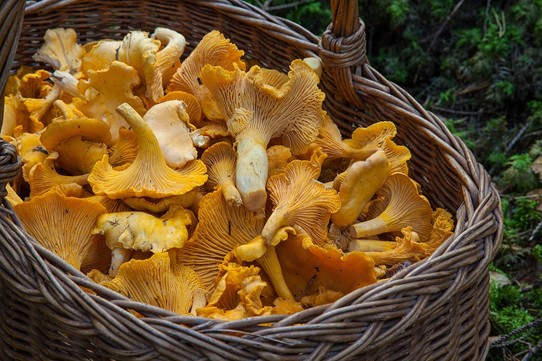
Yunnan Edible Fungi (云南野生菌)
Accounting for 80% of China's edible fungi species, Yunnan's 900+ varieties of wild mushrooms create a ¥15 billion annual industry. The monsoon season (June-October) transforms into Asia's largest mushroom bazaar in Kunming, trading 500+ tons daily. Scientific studies confirm Yunnan matsutake (松茸) contain 6.55% lentinan - 2.3 times higher than Japanese varieties. Signature preparations include:
- "Jizong" (鸡枞菌) chicken soup simmered in volcanic stone pots
- Ganba jun (干巴菌) stir-fried with Xuanwei ham and Erhai Lake garlic
- Chaxingu (茶薪菇) tea-smoked over Pu'er tea leaves
The provincial government issues annual safety guidelines after tragic incidents - all vendors must display certification from the Yunnan Mycological Association. For safe indulgence, Kunming's Wild Mushroom Hotpot Street offers guided tasting menus with countdown timers to ensure thorough cooking.
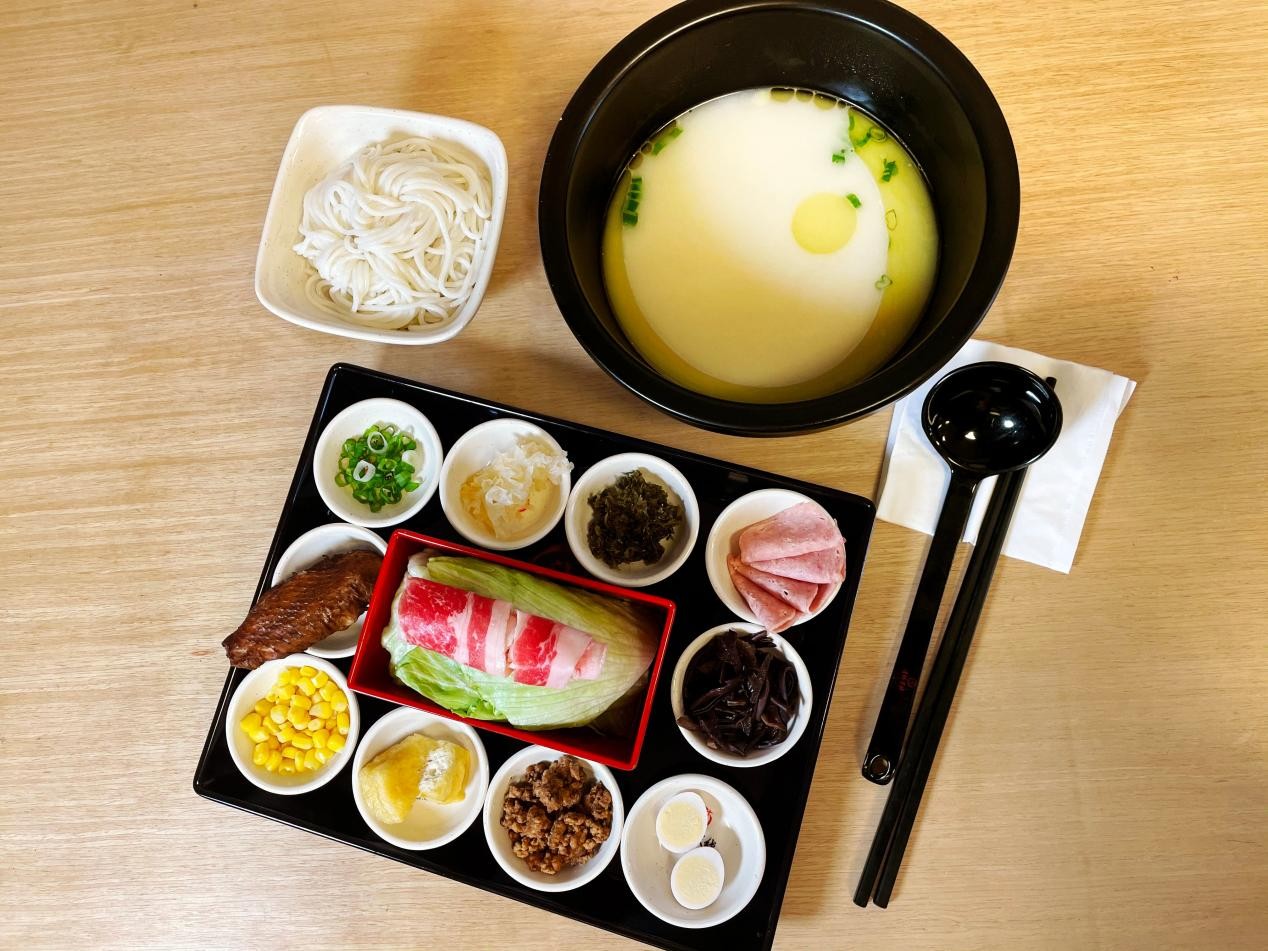
Cross Bridge Rice Noodles (Guo Qiao Mi Xian 过桥米线)
This 300-year-old culinary marvel from Mengzi City combines theater and nutrition. Legend tells of a scholar's wife who invented the dish to sustain her husband during imperial exams - using a chicken oil layer to keep soup hot during the bridge crossing. The ritual begins with a 480°C stone bowl containing 18-hour-boiled soup (old hen, duck, and pig bones). Cross Bridge Rice Noodles is formed with three main parts: a bowl of soup, various slices of meat and rice noodles. The soup is made from chicken or spare ribs. Slices of meat include chicken, fish, pork, pork liver, squid, etc. How to eat Cross Bridge Rice Noodles? Put quail eggs in the hot soup first, then add slices of meat, barbecued pork, fresh vegetables, thin sheets of bean curd and rice noodles. At last, don’t forget to add pepper powder and chili. The soup will be colorful with red, green, yellow and white colors.
Famous Local Snack
Dian-style Rice Noodles with Fermented Bean Curd (Dian Wei Douhua Mixian 滇味豆花米线)
A breakfast staple since the Ming Dynasty, this dish embodies Kunming's street food philosophy - humble ingredients transformed through alchemical fermentation. The magic begins with "路南卤腐" (Lunan fermented bean curd), aged 180 days in terracotta jars using a 1426 recipe from Zheng He's fleet provisions. The final assembly takes precisely 43 seconds - a speed perfected through generations. Nutritionists at Yunnan University confirm each bowl contains 12.3g plant protein and 3.2mg iron, making it a UNESCO-listed Intangible Cultural Heritage snack since 2019.
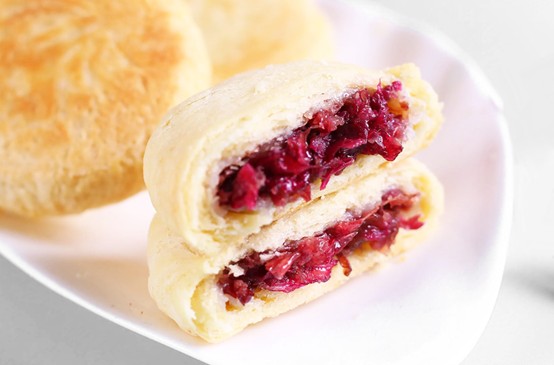
Kunming Flower Cake (Kunming Huabing 昆明鲜花饼)
Born from the Tang Dynasty's "花朝节" flower worship rituals, these pastries reach their zenith during Kunming's annual Flower Expo. Master bakers at century-old 吉庆祥 shop use roses from Anning's Eight-Street Valley, harvested at dawn when essential oils peak (0.33% fragrance concentration). The 144-layer pastry dough alternates Yunnan golden buckwheat flour with snow mountain yak butter, laminated at precise 18°C intervals. Each cake contains exactly 18 pesticide-free rose petals preserved in Fengqing honey. The 220°C stone oven baking creates a crispy-tender texture contrast celebrated in CCTV's "A Bite of China". With 48 million units sold annually, it's China's best-selling floral pastry, containing 3.2mg/100g anthocyanins - a natural antioxidant.
Grand View Park Fermented Rice Dumplings (Daguan Lianggao 大观凉糕)
This Qing-era imperial dessert from Daguan Pavilion's lakeside tea houses combines medicinal wisdom with summer refreshment. The steaming process in dragon-patterned wooden molds creates distinctive ridges that hold rose syrup from the 99 Flowers Project - a biodiversity preservation initiative. Served with jellied butterfly pea flower tea, its cooling properties align with TCM's summer health principles. Recent DNA analysis revealed 213 microbial strains in its fermentation process, explaining its unique 3.8pH tartness that aids digestion. During the Mid-Autumn Festival, locals float these dumplings on the Panlong River carrying written wishes - a tradition documented since 1821.
Famous Food Areas
Nanping Street Historic Food Quarter (南屏街美食文化区)
Nanping Street Historic Quarter, a Ming Dynasty relic turned culinary wonderland, pulses with the heartbeat of Kunming's edible heritage. Its cobblestone paths, polished by centuries of merchant footsteps, now lead travelers through a sensory mosaic of time-honored delicacies and ethnic fusion. Here, the air hums with the rhythmic clang of Jianshui purple clay steam pots crafting legendary Chicken Soup, while Dai chefs grill fish in hollow bamboo stems using fermentation techniques unchanged since the Nanzhao Kingdom. At dusk, the street transforms into an open-air laboratory of microbial magic – stalls laden with Xuanwei ham aged in mountain caves, baskets of iridescent edible fungi foraged from primeval forests, and golden rushan cheese curls dipped in wildflower honey. This quarter preserves culinary archaeology in action, where 14th-century recipes share space with holographic menus projecting augmented reality feast histories.

Guandu Ancient Town Snack Corridor (官渡古镇小吃长廊)
Along Dian Lake's shimmering shores, Guandu Ancient Town stands as a culinary time capsule spanning three millennia. This Tang Dynasty trading post still operates on food rituals perfected by generations of Bai and Yi cooks. Its open-air kitchens showcase "living fossil" techniques: bakers knead dough with water from 1,200-year-old limestone wells, while fishmongers patt translucent Dian shrimp into cakes using banana-leaf molds from the Nanzhao era. The star attraction remains the "Eight Treasures Rice", a cosmic concoction blending grains cultivated across Yunnan's vertical climate zones – from tropical valley rice to highland barley kissed by Himalayan winds. Amid temple incense smoke, food archaeologists demonstrate Song Dynasty noodle-pulling methods, their silky dough strands mirroring the lake's rippling surface.
Recommended Restaurants
Lost Garden Guesthouse Restaurant
Address: No.22, Huaqing Lane, Huancheng South Road, Wuhua District
Tel: 0871-6411467
Hidden courtyard serving Yunnan-Burmese fusion dishes, famous for its rose lemon honey tea and Shan-style tofu salad.
Yun Shuo Xiang Wild Mushroom Hotpot
Address: 3F, Dianchi Times Square, Xishan District
Tel: 0871-68039988
State-certified fungi specialists offering guided mushroom hotpot experiences with laboratory-tested ingredients.
1910 La Gare du Sud
Address: No.8, Houxin Street, Wuhua District
Tel: 0871-63165886
French-Yunnan fusion cuisine in a restored railway station, renowned for its Pu'er tea duck confit.
Dian Cafe
Address: No.52, Wenhua Alley, Wenlin Street, Wuhua District
Tel: 0871-65381009
Modern Dian cuisine lab creating molecular versions of traditional dishes, featuring edible insect tasting menus.
Lanniao Bistro
Address: No.101, Dongsi Street, Panlong District
Tel: 0871-65656545
Nostalgic 1980s-themed eatery specializing in "black cuisine" - ink rice noodles with cuttlefish sauce and charcoal-grilled leek cakes.
Jinding Hui Ethnic Banquet Hall
Address: 4F, Jinma Biji Square, Guandu District
Tel: 0871-67272777
26 ethnic minority culinary showcase with live folk performances, particularly known for Hani bamboo tube chicken and Dai sour shrimp.
Basa Baguette
Address: No.16, Cuihu South Road, Wuhua District
Tel: 0871-63169918
Yunnan-French bakery hybrid, famous for its Pu'er tea croissants and rose jam baguettes using Anning Valley flowers.
The Slurp Noodle Society
Address: Shop B1-12, Park 1903, Xishan District
Tel: 0871-68336678
Noodle concept store offering 12 regional Yunnan noodle styles, including rare Hani red rice noodles and Tibetan barley noodles.
Mingfeng Opera Tea House
Address: No.38, Dongfeng West Road, Wuhua District
Tel: 0871-63168899
Combining tea ceremony with Kunqu Opera performances, serves imperial-style dim sum using recipes from the Mu family's chefs.
Biodiversity Brewpub
Address: No.77, Cuiteng Road, Chenggong District
Tel: 0871-67419977
Craft brewery using Yunnan's wild botanicals, featuring mushroom stout and honeysuckle IPA paired with insect tapas.
One Seal Kunming Old House
Address: No.18~19, Jixiang Lane, Dongfengxi Road, Wuhua District
Tel: 0871-3644555
Lotus Wild Restaurant
Address: No.9, Cuihunan Road, Wuhua District
Tel: 0871-5127999 / 5137999
Stone Screen Restaurant
Address: No.24, Zhonghe Lane, Cuihunan Road, Wuhua District
Tel: 0871-3627444 / 3627222
Fortune Shine Restaurant
Address: 1F, Jinjiang Hotel, No.98, Beijing Road, Guandu District
Tel: 0871-3556858
South Railway Station 1910
Address: No.8, Houxin Road, Wuhua District
Tel: 0871-3169486
Dai Nationality Bamboo House
Address: No.66, Sanheying Road, Wuhua District
Tel: 0871-3618908