Shopping in Guiyang
Guiyang's best shopping concentrates on three primary streets, Zhonghua Lu, Yan'an Lu, and Beijing Lu, plus several specialty stores and weekend markets that rarely appear in mainstream itineraries. Budget between 200 and 800 RMB for quality ethnic minority handicrafts. Expect minimal English signage. Carry cash or ensure your Alipay or WeChat wallet works. Credit cards are accepted in some locations.
Guiyang sits in the center of Guizhou Province, surrounded by Miao, Dong, Buyi, and Yi communities that still produce traditional handicrafts. The city's retail scene reflects that proximity. Much of what you see is not mass manufactured. The embroidery often comes directly from village workshops. Silver ornaments are hammered in nearby counties. The value lies in that supply chain proximity. You are buying close to origin.
Why Guiyang Rewards Serious Shoppers
Ethnic minority goods here are priced near source. A Miao silver necklace that might retail for 3,000 RMB in Beijing can sell between 400 and 900 RMB on Beijing Lu. Buyi batik that appears in Shanghai boutiques at four-figure prices often costs 180 to 350 RMB per meter locally. The supply chain is short, so markups are lower.
Beyond price, the range is broader. Guiyang stocks categories rarely found elsewhere: ox horn combs, Yuping bamboo flutes, Duyun Maojian tea sold loose by elderly vendors, and carved totem masks. In two decades guiding across China, I have not seen another city concentrate southwestern minority crafts this densely.
The aesthetic here is unvarnished. Products look handmade because they are. Slight asymmetry in embroidery signals hand stitching, not defect. The authenticity is the appeal.
The Handicrafts Worth Buying
Miao Silver Ornaments
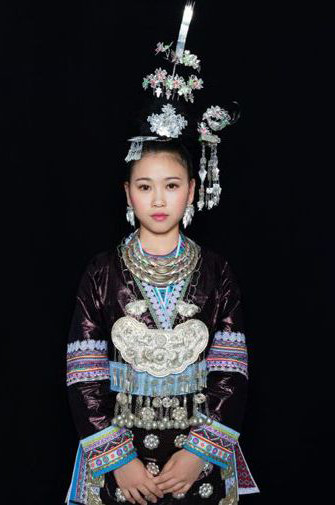
Miao silverwork is hammered rather than cast. Craftsmen shape strips of silver into curved forms using hand tools and inherited techniques. Traditional headdresses may contain hundreds of individual components assembled piece by piece.
Motifs carry meaning. Dragons symbolize protection. Phoenixes represent renewal. Fish patterns reference origin myths tied to water. Silver also communicates social standing during festivals, where the weight worn by a young woman reflects family prosperity.

Quality pieces are heavy and typically stamped 925 or 990. Budget 200 to 600 RMB for bracelets or pendants. Larger ceremonial pieces begin around 1,500 RMB and rise significantly for heirloom-level work.
Miao Embroidery
Before written language was standardized, Miao history and cosmology were encoded in stitched patterns. Panels often depict migration routes, mythic symbols, and natural forms. Thread-counting embroidery requires precision and can take 40 to 60 hours for a modest panel.
On Beijing Lu you will find the best selection. Always check the back of a piece. Hand stitching shows subtle irregularity. Machine embroidery appears perfectly uniform. This quick inspection prevents overpaying for reproductions. Quality 30 by 30-centimeter panels range from 200 to 500 RMB. Larger or older pieces command higher prices.
Batik Fabric
Buyi and Miao batik uses beeswax resist applied to cotton before indigo dyeing. As wax cracks during dyeing, fine veining appears, a signature that printing cannot convincingly imitate.
Spiral motifs reference cyclical cosmology. Fish and floral patterns relate to fertility and nature. Regional variations matter, and experienced vendors can explain origins.
A scarf-length piece typically costs 80 to 300 RMB. Larger decorative panels begin around 400 RMB.
Ox Horn Products
Buffalo horn is shaped into combs, bracelets, and hairpins. The material feels warm, slightly translucent at the edges, and polishes to a natural gradient from honey to dark brown.
Horn combs reduce static and last for years if kept dry. Expect 20 to 80 RMB for combs and up to 180 RMB for carved bracelets. They are inexpensive, practical, and easy to pack.
Maotai and Maojian
Maotai, produced in Renhuai City, remains China's most prestigious baijiu. Buying in Guizhou helps ensure authenticity. Standard 500 milliliter bottles of Feitian retail between 1,499 and 1,699 RMB. Deep discounts should raise suspicion.

Duyun Maojian green tea offers a clean aroma and lingering finish without harsh bitterness. Purchase 50 to 100 grams loose after smelling the leaves. Prices range from 80 to 400 RMB per 100 grams depending on grade.
Where to Shop
Beijing Road: Craft Focus
Beijing Road concentrates quality ethnic craft stores. If time is limited, start here. Qian Cui Hang at 177 to 181 Beijing Road functions as a curated ethnic goods emporium. Prices are higher than market stalls, but provenance is documented and quality consistent. For travelers concerned about authenticity, this is a reliable entry point.
Qian Yi Bao at 159 Beijing Lu offers stronger village character and less polished presentation. Staff rarely speak English. Translation apps help. Allow two to three hours for a thorough walk along this corridor.
Zhonghua Road: Modern Retail
Zhonghua Road serves as Guiyang's commercial artery. Department stores cluster here, offering clothing, electronics, cosmetics, and practical travel needs. It is modern and climate controlled. Some larger retailers occasionally accept foreign cards, though mobile payment remains dominant.
Yan'an Road: Night Energy
Yan'an Road activates after dark. Small goods shops and food vendors operate until midnight. The night market atmosphere is local and lively. Packaged snacks such as dried beef and boxed tea are priced lower than airport shops and make convenient gifts.
Youzha Jie Weekend Market
The Youzha Jie bird and antique market relocates periodically, so confirm the address locally. Visit Saturday or Sunday morning before 11am.
Expect a mix of antiques, reproduction goods, minority crafts, bamboo products, and curios. Bargaining is standard. Opening counters at roughly half the asking price are reasonable. Avoid aggressive negotiation with elderly artisans selling handmade items. Carry small denomination cash. It improves flexibility during negotiations.
FAQ
1. Do stores accept foreign credit cards?
Only a few large department stores and hotels do. Use Alipay and carry backup cash.
2. Is bargaining expected?
Yes at markets and open stalls. No in fixed-price specialty stores.
3. How do I confirm genuine silver?
Look for 925 or 990 stamps and substantial weight. Extremely low prices usually indicate alloy.
4. What packaged foods travel well?
Vacuum-packed dried beef and sealed Maojian tea tins are practical gifts. Pack liquor in checked baggage.
5. Is Youzha Jie still in its original location?
The market has relocated. Confirm locally before visiting.
6. Shopping times?
Weekend mornings for flea markets. Weekday afternoons for Beijing Lu shops. Evenings after 7pm for Yan'an Lu's night market atmosphere.
Guiyang rewards patience. It is closer to source, closer to village production, and closer to tradition. For travelers who value authenticity over presentation, the city offers one of China's most concentrated craft buying environments at prices that still reflect origin rather than brand.