Dali in Brief
Dali sits between the Cangshan Mountains and Erhai Lake, and this geography quietly shapes everything that happens here. The mountains rise steeply to the west, often catching clouds along their ridgelines, while the lake stretches wide and open to the east, reflecting light differently from hour to hour. Over time, we have learned that understanding Dali begins with watching how these two elements frame daily life.

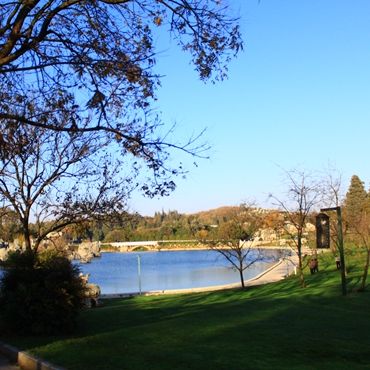
Early mornings are often the most revealing. From the edge of Erhai Lake, the water appears pale and still, broken only by fishing boats moving slowly across the surface. On clear days, the peaks of Cangshan stand sharply behind the town, their slopes changing color as the sun climbs. Locals walk or cycle along the lakeside paths, moving without urgency. The air feels lighter here, especially outside the high summer season.
As the day warms, activity gathers inside the ancient town. Stone-paved streets, laid out centuries ago, remain practical and walkable. White-walled houses with dark wooden beams line the lanes, their courtyards opening inward. These architectural details are not preserved for display; they continue to serve daily needs. Laundry dries in the sun, doors stay open, and conversations carry easily from one doorway to another.
Bai ethnic culture is woven into ordinary routines rather than presented formally. Tie-dyed fabric dries quietly on railings and walls, its deep blue patterns created through hand stitching and natural dyeing. The cloth becomes clothing, table covers or bags, softening with time. Silver jewelry is worn simply, chosen for durability rather than decoration. Wooden objects, lightly carved and minimally finished, appear in homes and small shops, shaped by use rather than fashion.

Walking through Dali, it becomes clear that commerce follows life instead of directing it. Along streets such as Renmin Road, small shops open outward to the street, their owners often seated nearby, drinking tea or working with their hands. Browsing happens slowly and without expectation. Huguo Road, closer to the southern entrance of the ancient town, feels more animated, especially in the evening, when cafés fill and music drifts into the street. Even then, the atmosphere remains social rather than hurried.
Beyond the main streets, narrow alleys offer quieter scenes. Independent studios, ceramic workshops and small design spaces appear without much announcement. Outside the old town, periodic markets continue to serve nearby towns and villages, selling everyday goods alongside handmade items. These places feel grounded in routine rather than tourism.
Modern districts form another layer of the city. Shopping centers, residential areas and wide roads reflect contemporary urban life and provide comfort and convenience for residents. They sit alongside older neighborhoods without displacing them, creating a city that feels lived in rather than curated.
What defines Dali most clearly is balance. Nature sets the pace, with mountains, water and weather shaping each day. Human activity adapts rather than competes. Over time, visitors often stop focusing on what to see or buy and begin to notice smaller details: light shifting across rooftops, wind moving through trees, conversations slowing as evening approaches. Dali does not announce itself. It leaves room for people to settle into their own rhythm.