Dali Transportation
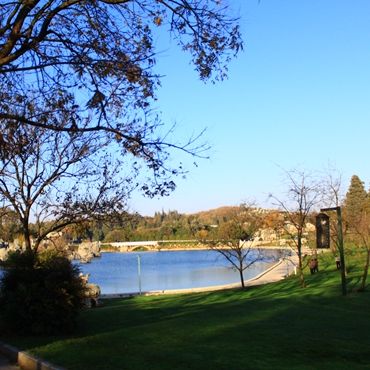
Dali feels like a postcard come to life, ancient towns tucked against snow-dusted mountains, Erhai Lake glinting in the sun, and lanes lined with Bai ethnic architecture. Getting around here is a part of the adventure. Whether you're flying in from a distant city, hopping between villages, or circling the lake, the right transport choice lets you soak up every bit of this Yunnan gem at your own pace.
Arriving in Dali
By Air
Dali Airport (DLU) is your fastest entry point, just 13 kilometers northeast of the ancient city. It links to Beijing, Shanghai, Guangzhou, Chengdu, and other major hubs with daily flights. Grab an airport shuttle bus straight to the ancient city or Xiaguan (Dali's modern center), fares hover around 20-30 RMB, and the ride takes 30-40 minutes.
Taxis are right outside the terminal too; expect to pay 50-80 RMB to the ancient city, depending on how busy the roads are. Alternatively, book our private transfer service from the airport to your accommodation for a hassle-free start.

By High-Speed Rail
Trains offer a slower, more scenic option and Dali's high-speed rail stations make this choice even better. Our company, China Expedition Tours, also provides private pick-up and drop-off services at both stations, ensuring you move between the station and your destination smoothly.
Dali Railway Station
Located on Manjiang Street, this station is the core of western Yunnan's rail network. Opened in 1998 and rebuilt in 2024, it now covers 43,700 square meters—seven times its original size with a design inspired by Cangshan Mountain and Chongsheng Temple Three Pagodas. Inside, the second-floor waiting area has a ceiling shaped like Erhai's gentle waves, adding a touch of local charm.

It has 3 platforms and 10 tracks, with two waiting halls that can hold up to 2,800 people. Security checkpoints increased from 6 to 8, and there are 6 ticket gates, reducing rush-hour delays. The roof is equipped with solar panels that generate over 2,200 kWh daily, powering most of the station's needs.
High-speed trains here reach Kunming in 2.5-3 hours (some as fast as 112 minutes), and connect to Lijiang (2-3 hours), Baoshan, and Lincang. In 2024, it served over 10 million passengers, with a single-day peak of 72,500 in August 2025. Buses and taxis take 20-30 minutes to the ancient city, or you can use our private transfer for extra convenience.
Dali Erhai Station
Previously named Dali North Station, this new station is set to open in September 2027. Built west of Hongshan in Dali Economic and Technological Development Zone, it's larger than the current Dali Station with 6 platforms, 12 tracks, and a 40,000-square-meter building, costing around 1.27 billion RMB.
Upon opening, it will handle high-speed train departures and arrivals on the Kunming-Chuxiong-Dali, Dali-Lijiang, and Dali-Panzhihua lines. It features seamless transfer facilities, making train connections easy. It will link Dali to the Sichuan-Tibet region and central Yunnan, serving as a new gateway that highlights Erhai Lake's beauty.
Getting Around Dali
Ancient City Area
The ancient city is best explored on foot. Its cobblestone lanes wind past small shops, cafes, and traditional Bai courtyards, wander freely to find hidden gems. For longer nearby trips, rent an electric scooter (30-50 RMB per day) near the city gates, perfect for visiting Chongsheng Temple Three Pagodas, 1.5 kilometers north.
Local minibuses serve nearby villages like Xizhou, with labeled routes, fares starting at 5 RMB, and frequent daytime runs. Taxis are easy to hail, but some avoid narrow ancient city lanes, you may need to walk to a main road. Our private cars can drop you directly at your desired spot in the city, skipping the hassle of walking or waiting for public transport. We can also arrange custom trips to nearby villages, letting you explore at your own speed without worrying about schedules.
Erhai Lake Area
Erhai Lake stretches over 40 kilometers, and circling its shores is a must-do for any visitor. Renting a car or electric vehicle (EV) is the most flexible way to explore, cars cost 200-300 RMB per day, while EVs are more affordable at 150-250 RMB and eco-friendly. The lakeside road is well-paved, winding past charming villages like Shuanglang, quiet beaches, and viewpoints where you can stop to admire the lake and mountain views.
If driving isn't for you, public buses run along parts of the lake, connecting the ancient city, Xizhou, and Shuanglang. They're less frequent, though, and often skip smaller scenic spots, better for travelers sticking to major towns.
Travel Tips
During peak seasons (March-May and September-November), transportation gets crowded. Book flights and train tickets in advance, and allow extra time for taxis or shuttles. Most services accept mobile payments like Alipay and WeChat Pay, but keep some cash handy for small fares or spotty signal.
Main roads are well-maintained, but rural roads near scenic spots can be narrow or winding, take it slow if driving. For remote Bai villages, local minibuses or our private drivers are the best options, as public transport is limited there. No matter how you choose to get around, China Expedition Tours is here to make your Dali journey smooth and memorable, with private services designed to fit your travel style.