Golmud Travel Tips
Golmud requires preparation with layered clothing, sun protection, and awareness of strong temperature variation between day and night. The climate stays dry with intense sunlight, local customs reflect Mongolian and plateau traditions, and practical planning ensures a smooth and controlled travel experience.

Golmud Weather
Golmud sits at the edge of the Tibetan Plateau. Altitude, dry air, and open terrain define the climate. Weather patterns remain stable in structure yet extreme in daily variation.
Summer brings short periods of mild daytime warmth. Temperatures reach around 25°C during the day. After sunset, the air cools rapidly and night temperatures approach single digits. This shift happens within a few hours.
Winter extends across most of the year. Temperatures remain below freezing for long periods and can reach far lower levels during cold waves. Air stays dry, and wind increases the cooling effect on exposed skin.
Rainfall remains limited. Sunshine dominates the yearly pattern. The atmosphere filters less ultraviolet radiation, so sunlight feels stronger than in lower altitude cities.
What to Wear in Golmud
Clothing decisions in Golmud focus on flexibility. Temperature swings require a system that adjusts quickly.
Practical Clothing Strategy
| Spring |
Windproof jacket, layered clothing |
Wind resistance |
Stable body temperature |
| Summer |
T shirt, fleece, outer shell |
Day to night adjustment |
Comfort across temperature shifts |
| Autumn |
Insulated jacket, gloves |
Heat retention |
Protection during rapid cooling |
| Winter |
Down jacket, thermal layers |
Full insulation |
Stable warmth in extreme cold |
Base layers manage moisture and comfort. Mid layers provide insulation. Outer layers block wind and retain heat. Footwear supports stability on dry ground and loose surfaces. Sunglasses, sunscreen, and hats protect against strong sunlight.
Local Customs and Social Behavior
Golmud reflects a combination of Han Chinese, Mongolian, and Tibetan cultural patterns. The environment shapes behavior, communication, and traditions. Life on the plateau encourages practicality, resilience, and respect for natural forces.
Fire Festival
The Fire Festival carries strong symbolic meaning tied to survival and seasonal cycles. Communities gather in open spaces during evening hours. A central fire forms the focus of the event.

Participants arrange themselves in a circular formation around the fire. Movement follows a steady rhythm. Singing and chanting accompany the activity. The sound builds gradually as more people join.
The fire represents warmth, protection, and renewal. People place offerings into the flames as part of the ritual. The atmosphere remains structured and purposeful.
Visitors observe from the outer circle. The event follows a community rhythm that develops naturally. Watching the sequence of actions reveals the deeper meaning behind the gathering.
Naadam Festival
The Naadam Festival reflects Mongolian heritage and focuses on physical skill. Activities include horse racing, wrestling, and archery. These events take place on open ground rather than enclosed arenas.
Horse racing covers long distances across natural terrain. Riders guide horses through wide spaces with minimal restriction. The scale of the field creates a strong visual impact.
Wrestling follows traditional techniques. Competitors rely on balance, strength, and strategy. Matches proceed in a controlled manner with clear rules.
Archery requires precision and steady control. Participants demonstrate skill through repeated attempts.
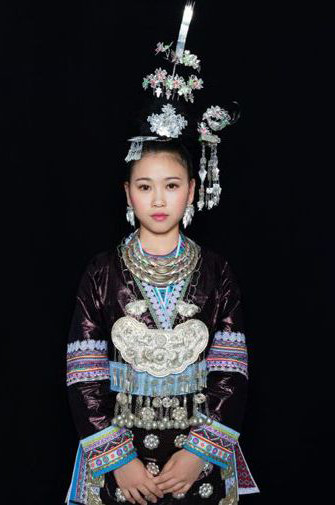
Clothing during the festival reflects traditional Mongolian design. Garments include long robes secured with belts. Materials provide durability and flexibility. Colors and patterns indicate identity and occasion.
Mongolian Clothing Craftsmanship
Traditional Mongolian clothing reflects environmental adaptation. Each piece serves a practical purpose while carrying cultural meaning.
Robes provide full body coverage and insulation. Belts secure the garment and allow adjustment for movement. Materials range from wool to thicker fabrics suited for colder conditions.
Decoration appears in embroidery and color patterns. These elements represent regional identity and personal background. Craftsmanship requires precision and experience, often passed through generations.
When observing these garments, attention to stitching, layering, and material reveals the technical skill behind each piece.
Social Behavior in Daily Life
Golmud's daily life reflects adaptation to environment. People maintain a steady pace and focus on efficiency. Movements remain purposeful in public spaces.
Hospitality appears through practical actions such as offering tea or assistance with directions. Interaction stays respectful and balanced.
Personal space varies depending on setting. In markets and transport hubs, people move closer together. In open areas, spacing increases naturally.
Curiosity toward visitors appears in quieter forms such as observation rather than direct engagement. This creates a calm environment for travelers.
FAQ
1. When does Golmud offer the most comfortable weather
Summer provides mild daytime temperatures and stable travel conditions.
2. How does temperature change during the day
Temperature rises during daytime and drops quickly after sunset.
3. What clothing works best for Golmud
Layered clothing with wind protection supports comfort across conditions.
4. What defines local culture in Golmud
Mongolian traditions and plateau lifestyle shape daily behavior and festivals.
5. How strong is sunlight in Golmud
Sunlight remains intense due to altitude and dry air conditions.
6. What supports a smooth travel experience
Preparation with clothing, hydration, and awareness of local rhythm ensures efficient travel.