Shopping in Golmud
Shopping in Golmud
Shopping in Golmud centers on three categories: Tibetan-influenced handicrafts, Qinghai specialty products such as carpets and caterpillar fungus items, and practical local goods sold at fair prices. Expect to spend 1--3 hours exploring the main commercial streets near Bayi Road and Golmud Pedestrian Street, with average souvenir budgets ranging from RMB 200 to 2,000 depending on quality and authenticity.
Golmud rarely appears on glossy magazine covers, yet its goods are honest, practical, and often surprisingly refined. Prices remain reasonable compared with Lhasa or Xining. More importantly, the objects here carry meaning rooted in the plateau environment.
This is your definitive guide to shopping in Golmud: what to buy, how much to budget, where to go, and how to judge quality without guesswork.
What Makes Shopping in Golmud Different
Golmud functions as a logistical gateway between inland Qinghai and the Tibetan Plateau. Traders from pastoral areas bring wool, butter, medicinal materials, and metalwork into the city. Unlike large metropolitan malls in Beijing or Shanghai, Golmud's retail environment reflects supply routes, climate, and ethnic exchange.
You will not find high-end European luxury boutiques here. You will find:
- Dense hand-knotted wool carpets from Qinghai
- Yak butter sculptures and ritual art influenced by Tibetan monasteries
- Caterpillar fungus products and herbal liquor
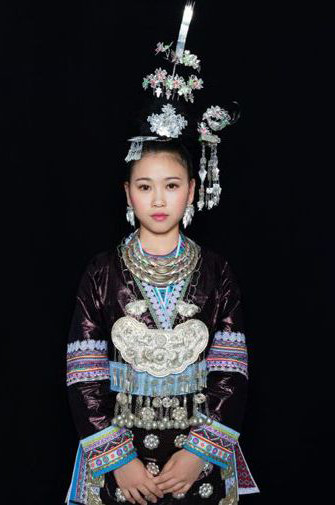
- Silver ornaments and traditional boots
- Affordable daily-use goods priced for local residents
From a planning perspective, you can realistically cover the key commercial areas in half a day.
Golmud Souvenirs and Handicrafts
Let us move beyond simple lists. You deserve to understand appearance, production process, and symbolism before you open your wallet.
Qinghai Wool Carpets
Qinghai carpets feel thick and elastic under pressure. The wool fibers come from high-altitude sheep raised in cold, dry conditions, which produce resilient fleece. Designs often depict:
- Bird Island motifs from Qinghai Lake
- Ta'er Monastery religious imagery
- Geometric Tibetan patterns in deep reds, indigo, and cream
The surface feels springy rather than flat. When you press with your thumb, the fibers rebound quickly.

Production Process
- Shearing highland sheep
- Washing and carding wool
- Natural or mineral dyeing
- Hand-knotting on upright looms
- Trimming and tightening for density
Artisans tie thousands of knots per square meter. Higher knot density equals better durability.
Symbolism
- Bird motifs represent harmony between humans and migratory life.
- Lotus patterns symbolize purity in Tibetan Buddhism.
- Circular mandala designs reflect cosmic order.
Price Reference Table (2026)
| 60x90 cm |
Medium |
400--800 |
Wall display or small study |
| 120x180 cm |
High |
1,800--3,500 |
Living room statement piece |
| Custom 2x3 m |
High |
6,000--12,000 |
Large homes or collectors |
Shipping to Europe or the US adds roughly RMB 800--2,000 depending on size and insurance.
Guide Alex's Insider Tip: Golmud carpets offer better value than similar pieces sold in Lhasa. The quality wool remains the same, but retail overhead here stays lower.
Yak Butter Sculptures
You will rarely see fresh butter sculptures in regular shops because they require low temperatures to maintain shape. However, related decorative versions and festival displays appear seasonally.
Appearance
Brightly colored figures shaped into flowers, deities, animals, or temple forms. Artisans add mineral pigments for vivid contrast against pale butter.
Production Conditions
Artists create them in winter. Cold air keeps yak butter firm. Craftsmen mold small pieces by hand, layering details slowly.
Religious Meaning
These sculptures function as offerings. They symbolize impermanence: even detailed beauty eventually melts. During Lantern Festival displays, monasteries exhibit elaborate works before they naturally deteriorate.
Collectors should understand: edible claims circulate widely, but preservation standards vary. Do not purchase butter sculptures expecting long-term durability.
Caterpillar Fungus Products (冬虫夏草)
What It Is
A parasitic fungus that grows on caterpillar larvae at high altitude. It commands high prices due to perceived health benefits.
Common Retail Forms in Golmud
- Whole dried specimens
- Powdered capsules
- Caterpillar fungus wine blended with ginseng and other herbs
Symbolism
Locals associate it with vitality and adaptation to high altitude. Whether medical benefits meet expectation remains debated internationally.
Pricing Table (2026 Market Range)
| Low |
Thin body, short fungus |
60--100 |
| Medium |
Balanced length |
120--200 |
| Premium |
Thick body, intact head |
250+ |
If a seller offers "premium" fungus at suspiciously low prices, assume substitution or artificial enhancement.
Guide Alex's Insider Tip: Only purchase caterpillar fungus from established storefronts with business licenses displayed. Avoid street transactions. Counterfeit product circulates widely across western China.

Silver Ornaments
Bracelets and amulets often feature turquoise or coral inlay. Patterns include endless knots and protective symbols. Silver purity varies. Ask directly about percentage.
Traditional Boots
Made with thick leather and embroidered uppers. Designed for cold plateau conditions. Today, most buyers treat them as decorative cultural items rather than daily footwear.
Where to Shop
Golmud does not operate like Beijing's mega districts. Retail clusters concentrate along central commercial roads near Bayi Middle Road and the pedestrian commercial strip often referred to locally as Golmud Pedestrian Street.
Golmud Pedestrian Commercial Street
Style and Atmosphere
Wide sidewalks, low-rise storefronts, bright signage in Mandarin and occasionally Tibetan script. Expect practical shops, small jewelry counters, snack vendors, and souvenir outlets.
Why It Attracts Visitors
- Central location
- Easy walking access
- Concentration of small independent retailers
- Transparent pricing compared to isolated roadside stalls
You can cover the entire strip in 40 minutes at a moderate pace.
Bayi Middle Road Retail Cluster
This area functions as the city's main commercial artery.
Characteristics
- Department-style stores
- Appliance shops
- Specialty goods retailers
- Local supermarkets
It reflects everyday urban life rather than a tourist facade. That authenticity appeals to travelers who prefer real environments over staged ones.
Shopping Street Comparison Table
| Pedestrian Street |
Souvenirs, small handicrafts |
1--2 hrs |
Moderate |
Medium |
| Bayi Middle Road |
Practical goods, carpets |
1--3 hrs |
Local pricing |
Low |
| Small Side Lanes |
Silver items, boots |
30--60 min |
Negotiable |
Low |
Cultural and Symbolic Meaning from Academic Perspective
Professor Guan requested depth. Here it is. Golmud's handicrafts reflect adaptation to altitude, cold climate, and religious worldview.
- Wool carpets address thermal insulation needs in highland homes.
- Yak butter sculptures originate in ritual offering traditions tied to monastic calendars.
- Silver amulets serve protective symbolic roles in Tibetan Buddhism.
- Caterpillar fungus represents the union of animal and plant life, reinforcing plateau cosmology where transformation defines survival.
Objects here carry environmental logic. Nothing exists purely for decoration.
Logistics: Practical Advice
- Bring cash in smaller denominations for street purchases.
- Confirm airline restrictions if carrying herbal alcohol.
- Arrange carpet shipping directly from the store; request tracking documents.
- Inspect silver stamps carefully.
Golmud shopping remains straightforward. You do not need a full day unless you pursue high-value carpet selection.
FAQ
1. Is shopping in Golmud expensive?
No. Prices remain lower than Lhasa. Mid-range souvenir budgets range from RMB 300--2,000.
2. Can I bargain?
Yes in small shops and side streets. Department stores operate fixed pricing.
3. Is caterpillar fungus legal to export?
Small quantities for personal use usually pass, but check destination country regulations.
4. Are carpets authentic?
Many are genuine Qinghai wool. Verify knot density and request origin explanation.
5. How much time should I plan?
Two to three hours covers main areas efficiently.
6. Can I use international credit cards?
Some department stores accept them. Smaller vendors prefer mobile payment or cash.
Golmud rewards careful buyers. Its goods remain practical, symbolic, and priced for real people rather than tour groups. If you approach the city with curiosity and discipline, you will leave with objects that reflect plateau culture rather than generic souvenirs.