Qiandongnan Travel Tips
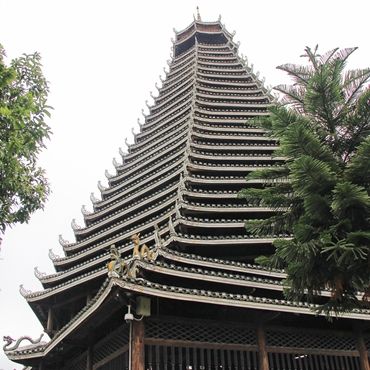
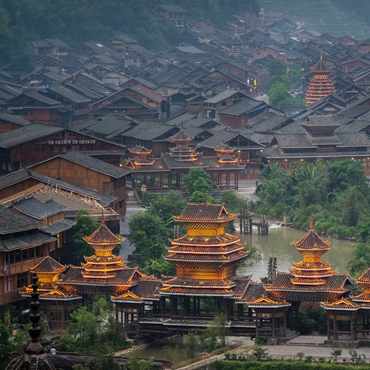
Set deep in the mountains of Guizhou, Qiandongnan is the living cultural heart of the Miao and Dong peoples. Rather than a destination, it is an immersion into a world of song-filled drum towers, intricate silver crafts and traditions that shape daily life. Drawing on our extensive experience and deep local connections, we offer invaluable insights to help you plan an authentic and respectful journey into this remarkable region.
Understanding Qiandongnan's Climate: Be Prepared, Not Surprised

Key Characteristics
Although the guidebook describes mild summers and cold winters, the actual conditions on the ground are influenced significantly by humidity and microclimates. Qiandongnan is a lush place, and it's a good idea to be prepared for the unexpected "micro-rains" that can appear at any time, especially during the spring and summer months. Depending on the altitude, the weather patterns at different points of a short car ride might differ radically. On our last trip in late September, we had a cold, wet morning in Kaili. Then we saw blue skies and sunshine among the rice paddies in Leishan. But in the afternoon in Rongjiang, we needed rain gear.
Packing Essentials
Packing appropriately is crucial for comfort and enjoyment. We always advise our clients to adopt a layering system using wool or quick-dry fabrics that handle both humidity and sudden temperature drops.
Footwear: Sturdy, waterproof hiking shoes with excellent grip are essential for slippery stone pathways in ancient villages and muddy rice terrace trails.
Rain Gear: A packable rain jacket surpasses an umbrella when you need your hands free on village walks. Also, bring waterproof covers for your backpack and daypack.
Health & Comfort: Motion sickness medication is a lifesaver on the winding mountain roads. Consider probiotics or digestive aids to help your system adapt to the rich, fermented, and spicy local cuisine. Moisture-wicking socks will keep your feet happier on long walking days.
Timing Your Visit: Festivals & Seasonal Secrets
The Festival Calendar

Qiandongnan comes to life with its real Miao and Dong festivals. The dates change each year, as they follow lunar calendars, but you can check them locally, for example, with CET.
Miao New Year: Usually in November or December. This is a time of big community feasts, bullfights, and singing. Villages like Xijiang Qianhu Miao Village and Langde Miao Village are full of energy but very crowded.
Lusheng Festivals: After the harvest, often in October/November. The air is full of the sound of the lusheng, a reed pipe, and you'll be amazed by complex dances in great silver headdresses. Smaller villages give a more easy-to-reach experience.
Dong's Sama Festival: In all the Dong villages, like Zhaoxing, this is one festival for the ancestors in the community.
Expert Tip: Attending a major festival requires booking accommodation 6-12 months in advance and accepting higher prices. For a more intimate experience, we often steer clients toward smaller, village-scale festivities.
The Best "Secret" Seasons
While summer is popular, our team swears by the shoulder seasons. Late April to May sees the cascading rice terraces filled with water, reflecting the sky like shimmering mirrors. September to early October brings golden harvest scenery, fewer rains, and crisp air—perfect for photography and hiking.
Cultural Etiquette & Immersion Essentials

A Deeper Guide
Respect is your most important currency. Beyond being polite, understand these nuances:
Photography: Always ask for clear permission before taking a portrait. A smile and a gesture are a good start. Many older people, though very nice to photograph, may say no, and that must be respected.
Home & Village Visits: If invited for tea or a meal, it’s nice to accept a little. Take part nicely in the " blocking-the-way wine ceremony (lánmén jiǔ), a welcome ritual of singing and homemade rice wine. A small sip is enough to show your respect.
Sacred Spaces: In drum towers and near village sacred trees, be quiet and follow your guide’s lead.
Savoring the Food Safely
The culinary adventure is a highlight. Must-try dishes include Dong Sour Fish Soup (suantang yu), Miao-style glutinous rice steamed in bamboo, and Changwang noodles. We always advise starting with small portions to let your palate and stomach adjust. For safety, eat at busy stalls with high turnover, prioritize cooked foods, and embrace the vibrant night markets in Kaili or Rongjiang. Carry tissues, as napkins are often scarce.
Practical Logistics & Staying Connected

Getting Around & Accommodation
Public long-distance buses connect big towns, but they don't run often. The best and least stressful way to explore, especially in remote villages and areas with hard road networks, is to hire a private driver/guide through a good agency. Embrace a "guesthouse" (kezhan) in a Dong or Miao village for accommodation and sleep in a traditional wooden stilt house, an experience that is unforgettable. Manage your expectations: these guesthouses are basic and often have shared bathrooms, but they offer priceless authenticity. For more normal amenities, stay in Kaili.
Useful Info
English is not commonly heard anywhere else other than at large hotel reception desks. Download a translation app like Pleco or Google Translate with Chinese dictionaries and an app for a map when you're not connected, Maps.me, before your tour. Keep contact numbers for ambulance and police handy (120 and 110, respectively), but for other travel-related complaints, call 12315, the consumer hotline number nationwide. We highly recommend hiring a seasoned handler for smooth organization and translation services, such as CET.
Final Pro Tips from Our Guides
Carry lots of small-value cash (RMB) for market buys and village entry fees. Learn a simple local greeting (such as ‘hello’ in Miao or Dong) with the help of your guide; the effort is greatly appreciated. A reusable water bottle is eco-friendly and practical. Most importantly, cultivate flexibility. A washed-out road or an impromptu local ceremony isn’t a setback; it’s often the doorway to your most authentic memory.
Let China Expedition Tours turn these tips into your smooth, deep, and unforgettable trip into the living heart of Miao and Dong culture.